Wordsmith

Reader

Read the latest posts from Wordsmith.

from growandfly

“stop—” seonghyeon menghentikan langkah, yang otomatis membuat langkah keonho di sampingnya jadi ikut terhenti. ”—look at me like that.”

“like, what?” heran keonho.

“i don't know,” jawab seonghyeon jujur. sebab ia sendiri juga bingung harus menjelaskan bagaimana? ia cuma tahu kalau malam ini rasanya berbeda seperti malam-malam dimana mereka bertemu di acara pesta makan malam mewah salah satu kolega orang tua mereka, pasca keduanya sepakat untuk bekerja sama. “you tell me.”

“apa sih?” tanya keonho, tawanya bercampur dengan nada yang bingung. “am i not allowed to look at my boyfriend, or what?”

“nevermind. lupain aja.” lalu seonghyeon lanjut melangkah lagi. sayangnya, di langkah ketiga tiba-tiba ia merasakan nyeri di kakinya. “a-ah,” ringisnya kecil.

“kenapa?”

seonghyeon menjawab dengan menjatuhkan pandangan pada kedua kakinya, yang masih dibalut heel boot yang sebenarnya sudah agak kekecilan dan belum sempat ia pisahkan dari wardrobe-nya. maka ketika tadi tadi berangkat dengan begitu terburu dan asal ambil yang menurutnya oke tanpa benar-benar dicoba terlebih dulu maka berakhirlah seperti sekarang.

maka keonho otomatis berlutut. “lepas sepatunya,” suruhnya kemudian.

“tapi nanti aku jadi nyeker.”

“pakai punya ak—”

”—enggak mau.”

“yaudah lepas dulu.” tapi seonghyeon malah merapatkan kaki, seolah menguncinya. maka keonho mendongak, dan lampu taman menyorot berhasil sempurna seberapa serius air muka keonho sekarang. “seonghyeon,” panggilnya, yang lebih terdengar seperti sebuah teguran.

“don't lookdal at me like that,” protes seonghyeon tak suka, sambil akhirnya tetap menurut untuk melepas sepatunya. lalu tanpa banyak bicara, keonho berbalik. mata seonghyeon membola kaget. “ngapain?!”

“naik.”

“enggak. ken—”

”—kita balik ke mobil dulu. nanti pakai sepatu cadangan aku yang ada, gak apa-apa walau kegedean sedikit. gak usah ditolak kali ini.” potong keonho. “nanti kalau kamu mau balik jalan-jalan di sini lagi, terserah.”

“badan aku berat.”

“it makes everything more interesting.” keonho melempar pancingan dalam balutan nada bicaranya terdengar meremehkan. “seberat apa sih emang?”

dan seonghyeon terjerat dengan begitu mudahnya. ia pun langsung mengambil sepatunya lalu melompat cukup keras ke punggung di hadapannya, sampai si empunya punggung nyarih kehilangan keseimbangan.

“w-wow. chill out, hun.”

“rasain,” cibir seonghyeon cuek. “you asked it youself.

keonho hanya terkekeh kecil setelahnya. kemudian berdiri dengan sekuat tenaga dan benar-benar menggendong seonghyeon menuju mobilnya.

lalu setelah beberapa langkah, keonho pun bicara, “maaf, ya?”

“maaf buat apa?”

“gak bener-bener siapin agenda kabur yang sempurna,” sesal keonho serius.

“aku udah pakai baju kamu dari ujung kaki sampai ujung kepala, emang masih kurang di sebelah mananya sih?” heran seonghyeon. “you're also indulging my very impulsive thought to walk around here. padahal udah mau tengah malem. dingin.”

“ya tapi ini kaki kamu jadi sakit,” keukeuh keonho. “nanti aku belajar dulu dari martin. i know he's mastering at these kind of thing.”

lalu perhatian seonghyeon teralih sepenuhnya pada satu hal. “ini kamu gak pernah kabur ya sebelumnya?”

“it's my first time,” angguk keonho.

entah kenapa, seperti suatu perasaan hangat menjalar dalam dada seonghyeon. “awww... what a good boy you are.”

mendengarnya, keonho refleks mendengus. “as if you ain't the same,” balasnya santai.

“of course we're not the same,” elak seonghyeon. “kamu pasti enggak pernah bolos sekolah buat ngadem di uks, ya? atau minimal kabur dari jadwal les cuma buat main ke mall deh.”

keonho diam, dan seonghyeon refleks tertawa menang. tapi kemudian keonho lempar pertanyaan. “tapi ini pertama kalinya kamu kabur dari gala dinner 'kan?”

“iya sih...”

“so we still are on the same boat.”

seonghyeon terkekeh. “oh, that's quite impressive. i gotta admit.”

“i know.”

“i hope you also know that you're insufferable, most of the time.”

“tahu juga kok. haha.” entah seonghyeon sadar atau tidak, tapi keonho ada sengaja memperlambat langkahnya. “that's why i feel grateful most of the time, too.”

“for what exactly?”

“for you,” jujurnya tegas. “for choosing me.”

seonghyeon tidak menjawab langsung, tapi ia balas dengan semakin merapatkan tubuhnya pada keonho. lalu tersenyum kecil dan berbisik santai setelahnya, “let's have another fun escape next time.”

“sure. challenge accepted.“

satu kesepakatan lain telah dibuat. one after another, yang keduanya jelas tahu kalau mungkin ini tidak akan menemukan akhirnya. tapi, siapa peduli? selama ini hanya satu-satunya cara bagi mereka untuk bisa saling menyelamatkan diri.

 
Read more...

from zhang.dianli

Preamble: Words have meaning. Grammar signals meaning. Pay very close attention to the title. I worded it the way it is for a reason. Make sure you understand what I actually wrote in the title, instead of what you wanted it to read, before moving on. Note also that much of the discussion here is based on Chinese sources because—get this!—only Chinese sources have anything meaningful to say about what a term “really means”. Westerners trying to claim what it “really means” are just making idiots of themselves and revealing more about their thought processes than they reveal about Chinese ones.

A capsule history of 白左's proper meaning

In 2010, the pseudonymous “Li Shuo” coined the term 白左 (lit. “white left”) on the social platform Renren in an article titled “The Pseudo-Morality of the Western 'White Left' and China's 'Patriotic Scientists'”. At birth the term referred very narrowly to young western leftists who sympathized with the communist revolution pre-1949 and came to China to assist it. It was very much a pejorative term but it was very specifically applied to a very small number of people.

It was also a term that came from a self-identified right libertarian. Put a pin on that. We're going to circle back around to this.

As is usual in language, and doubly so in the modern Internet era, there was a rapid shift in meaning, starting in about 2013. It no longer referred to this one, specific group from history, but rather became a generalized label. The implied criticism morphed into the subtext of people out of touch with reality; people who spout lofty ideals while being blind to the real-world problems around them.

The big explosion in usage started in 2015 as bewildered Chinese netizens watched the social fallout from the refugee crisis in Europe. It is unfortunate that, from my perspective, they derived the wrong conclusion from this, criticizing, for example, Germany's “open door” policy as a case of bleeding-heart saviours ignoring reality to everyone's detriment. (Note: I don't think that Germany handled the crisis well, but I don't reach the conclusion that some Chinese netizens reached that Germany shouldn't have accepted the refugees at all.)

This big explosion continued in 2016 as bemused Chinese observers divided on which was worse: Hilary Clinton's so-called “political correctness” or Trump's populism. (Note: both were considered bad. They weren't deciding on which they supported, they were deciding on which of the two was the worst.) In that period, 白左 finally settled in a relatively stable meaning as a criticism of western identity politics.

Now let's add the wrong meaning

Here's where we circle back to the origin. In 2017 the term was added to the Urban Dictionary with an already divergent meaning. It was largely correct, but it already contained the seeds of how the term would be read in the west: right wing. UD rapidly had definitions added that included equivalents to “libtard”, “woke”, and other very American views on life. This is the unfortunate product of people not understanding several key things and instead focusing on the first use of it by a self-proclaimed libertarian right-wing guy.

However it wasn't until 2021 that Tucker Carlson's use of the term to attack Democrats that 白左 became part of mainstream western political discourse. Ironically on the right wing. (I find it personally hilarious that a 电视脱口秀演员 like Carlson, a veritable 流量奸商 or 右壬, didn't introduce other terms from Chinese that were as harshly critical of the right like 川建国 or 懂王 being used to describe Donald Trump. It's almost as if he was cherry-picking Chinese criticisms of the west to only attack one side. Almost.)

This is why most westerners believe that Chinese people are right-supportive. Because one Chinese political epithet that was poorly-understood and badly-translated was weaponized by the Anglophone right and used as an unsubtle bludgeon against their opposition. All while ignoring the far less subtle open critiques of the American right.

For purposes of this essay we will be sticking with the correct usage. And if you don't think the Chinese usage of a Chinese term used in Chinese net haunts is the correct one, get out of here. This blog isn't for you. I'm sure there's some white supremacy sites you'll like better. Like Faux News or the New York Times. Or maybe Storm Front.

Note: I'm not saying that study of the term's evolution and abuse in Anglophone circles is not a valid field of study; that's sociolinguistics in a nutshell, in fact. I'm saying I'm focusing on the Chinese usage of a Chinese term because the abuse of language by barbarians is out of scope. (Yes, the use of “barbarians” is a joke.)

The interesting spin-off

While the American left was reacting badly to the American right weaponizing a foreign term that neither side fully understood, the Chinese use of the term, with the rise of 网左 (Internet left) as a concept, started to be applied domestically as a criticism of overly dogmatic Chinese leftists. Observers tracking trends in Chinese cyberspace consistently document 白左 and 网左 appearing across political discussions, with trend reports confirming this usage as recently as late 2025. Being branded 白左 was in effect saying “you're so dogmatically left that you're like a white person”.

So a term that started life as a criticism of a historical group of people by a right-libertarian, that then mutated as a criticism of perceived impractical leftists in the west (getting internalized at that stage by the west), and then mutated further is now a domestic criticism of Chinese people by Chinese people.

But ... why? Why is this term so long-lived and so adaptive?

Here's where I get personal

The reason is ... white people don't really have a great reputation in non-white circles. It's a shock, I know, but you don't. And yes, right now, I'm addressing white folk. Even the white folk that have “good intentions”.

See the problem is that a whole lot of white people have good intentions. But they also have a degree of arrogance that is staggering. It was white people, for example, who set back queer culture in China, losing three decades of careful diplomacy that was paying dividends in recognition and acceptance ... until an arrogant LGBTQ+ group in the USA convinced a group in Shanghai that a pride parade, one that didn't have permission from authorities, was how you get results.

And they weren't wrong. There were definitely results. And the queer community in China has suffered for it nationally. About 40-70 million queer people (according to UN-aligned estimates), who were finally making positive steps toward recognition and acceptance, are back being suppressed, closeted, and and viewed with intense suspicion and revulsion. The only thing that hasn't been reversed as a result of that disastrous American intervention is the medical position on homosexuality, et al. We're thankfully not reverting back to the stage where being queer is a mental disorder that can be “cured”...

Did they mean to do this? OF COURSE NOT! Hell, I'll go a step farther. They weren't the whole reason. Rather like how there's a whole host of machinery inside a gun that has to work in concert to expel the bullet from it, there was a whole host of public security frameworks and public opinion shifts that were part of the sudden reversals in LGBTQ+ rights in China.

The thing is, that machinery in guns needs a trigger to be pulled to put it into action and send that bullet on its way. And the same was needed for the sudden shift in LGBTQ+ rights in China. The Shanghai affair was the trigger. The Chinese state, in its modern form and in much of its imperial past, has operated on a simple premise: unsanctioned public confrontation is not a tactic of persuasion, but a challenge to authority. The methods of response have shifted; the underlying logic has not. The pattern is consistent across history: method matters as much as or more than the message. Even when the state was leaning toward acceptance of queer culture, despite the already dubious status it had as “foreign ideological infiltration”, the open defiance of holding a public protest without permission was a uniquely potent trigger that led to the sudden, drastic, tragic reversals.

The sad fact of the matter is that good intentions and five bucks gets you a small coffee at Starbucks. What matters is outcomes, and the outcomes of the 白左 set are largely negative. The “white left” believes that just being “in the right” is enough; they're generally living in safe environs (by world standards) and think they know things better from their cruising altitude of 30,000ft than boots on the ground.

They're very much a model of people out of touch with reality, who think that having their heart bleed is enough for them to be a force for good, who ignore reality in favour of ideals and slogans. They're the Red Guard, in short. They spout slogans and ideals, without regard to physical reality, and leave misery and death in their wake.

On the title

The title of this rant is On the toxicity of “白左” or “white left”. Note that it's not the white left. It is the quoted term.

That, in the end, is what this essay is really about. Yes, it contains vituperative criticism of white “liberals” and “progressives”. (And, naturally, of the white right.) But I want to focus back on the term. I am, quite self-awarely and ironically, using the term to diagnose a pattern even as, starting now, I warn against its reification.

I've explained why the term has proven so long-lived and adaptive. But the more important question is: should it be? It gained traction because it described a real phenomenon. It was short, pithy, and largely accurate from the perspective of its original users. And it could be deployed across a wide variety of contexts.

That, however, is precisely where the problem lies. Its adaptability allows it to serve legitimate criticism of a genuine political tendency, but it's just as easily wielded as a bludgeon by the Western right (but who cares about barbarian duckspeak?)¹ to attack ideological opponents: “See, even Chinese netizens think libtards are bad, LOL!” And it's used, too, to beat down sincere leftists who need guidance in praxis, not dismissive labels and silencing. Its very pithiness makes it, in my view, a textbook example of Orwellian “duckspeak”: catchy, universally deployable, but ultimately a substitute for thought.

It becomes an excuse to shirk our duty to educate, to guide, and to build toward a more coherent, humane future. Just like the sloganeering of the 白左 themselves.


¹ I will personally send 500g of my favourite tea to the first person who figures out this deep cut of a joke!

 
Read more...

from aerkiaga's blog

Long time no write! This is a blog to publish updates on my projects, so that's exactly what I'll do here.

Regex engine

Right now I'm writing a fast regular expression search engine in Rust. In case the reader doesn't know what a regular expression is, they allow specifying some rules about what some text should look like (e.g., think “starts with H”, “has 5 letters”), and then you can reason whether a text follows them (like the words “Hello” or “Hopes” do), or search for strings fulfilling the rules within a larger text. In our case, the regular expression to specify these rules would be H[A-Za-z]{4} (“H” followed by 4 letters).

There are quite a few software libraries that implement regular expressions in Rust. To name a few:

  • regex: the most widely used, pretty fast.
  • fancy-regex: supports more features.
  • regexr: tries to get the best of both worlds, fastest implementation.
  • resharp: quite custom-built, fast implementation.

I ran a benchmark consisting on generating various lengths of random sequences of A, C, G and T and then searching for all (possibly overlapping) matches of the regex ATG([^T]..|T([CT].|G[^A]|A[CT]))*T(A[AG]|GA) (which recognizes possible forward open reading frames). The results are these:

  • regex: 8.8 MB/s, slowest.
  • resharp: 65 MB/s.
  • My crate in progress: 99 MB/s.
  • regexr: 222 MB/s, fastest.

If we replace that regex with ATG(...)*?T(A[AG]|GA) (which matches the same regions but uses the lazy *? metacharacter for a more concise representation), then we get:

  • regex: 8.8 MB/s.
  • resharp: doesn't support that metacharacter.
  • My crate in progress: 109 MB/s, fastest.
  • regexr: 5.5 MB/s, slowest (why?).

regex and resharp had also the highest overhead, in the hundreds of microseconds, while both regexr and my crate could compile the regex in about 20 microseconds.

I would like to work a bit more on this crate. Specifically:

  • Support capture groups, which the other crates do and I think is pretty much an expected feature of any regex library.
  • Stabilize it some further. I'm using cargo llvm-cov and cargo mutants, but I may resort to cargo afl to weed out bugs even more aggressively.
  • Make it faster. I have some tricks up my sleeve that could manage gains.

Career

I'm working as a Resident Physician in Psychiatry. Also trying to get a Master's degree in Biomedical Engineering. Pretty exciting stuff going on in that front.

 
Read more...

from elilla & friends’ very occasional blog thing

Once at a Hbf there were some immigrant-looking folk (Turkish, as it turned out) selling traditional candy like, in a super pushy way, and I went talk to them half because I like sweets and half because I like being sweet-talked (hey the latter is a super rare experience in Germany, yes even including salespeople, I knew something was sus with that couple but I like to live dangerously ok. Yes, she was pretty. haterz gonna hate~).

So the lady was like at the top of her game, asked about my country, praised my tattoos, told relatable stories about her own life etc., and she was so bright about showing me the vegan options, and made me try like half a dozen different flavours of halva. (It was genuinely delicious). She was a great conversationalist and I had a pleasant time chatting with her for a long while.

So finally I decided to bring home 10€ in caramel halva. This is where the scam hit: she was already packing it but at the minimum quantity of 100g, which was some ridiculous abusive price, 38€ or something. At this point I wall up and put on my best bimbo face to claim that this 10-buck bill is all I have. It's obvious that it's a lie and she knows that I know that she knows it's a lie, this is a glove slap: I mean what are you gonna do about it, call the cops? So the man of the pair approaches and starts a spiel that they've already cut the halva so now I have to pay. So I say with the most blatant cara de pau I can muster that oh well, my train is about to leave, and I give them the warmest goodbye smile and a wave, and leave them protesting without looking back.

Only afterwards I realise that I had tied up the woman for a good fifteen minutes that she could have been hustling, plus I got to try a significant amount of halva of various flavours, without paying a cent. She was good at the game so the sample portions were quite generous, too.

The lesson we learn from this is, you gotta roll with the punches; your story can't be static, it's a tool not a script. Con artistry is a dance, at the first sign of resistance from the mark you have to change your step. They really should have cut their losses and given me a miserable thumb of candy for 10€ profit, I had opened myself a weakness when I said “gimme this much in candy” without checking the price/kg first. But thanks to their all-or-nothing commitment to the script, I ended up indulging my sweet tooth for free and out-scamming the scammers, purely by instinct. And if they're smart they'll think twice before trying to con a Brazilian again lmao (I mean the Germans are right there—)

 
Weiterlesen...

from Liza Hadiz

How dark is Dark Academia? As dark as the society we live in. Beyond the comfort of its moody, sometimes haunting ambience, Dark Academia reflects the fractures of a broken society.

Dark Academia debuted on Tumblr in 2015 and spread across various social media platforms in the late 2010s, reaching mainstream popularity during the COVID-19 pandemic. Today, it remains a subject of discussion, inspiring recent novels and films. Even the vintage tweeds and wool fabrics associated with Dark Academia fashion continue to find their place in the wardrobes of younger audiences. Moreover, the appeal lies in the imagery of a nostalgic dark intellectual fantasy world, embracing isolation, melancholy, and the pursuit of knowledge—an escapism from the drudgery of academic life.

Why the need to escape?

Students entering college in the 2010s faced a labor market still recovering from the Great Recession. While a college degree was considered the path to many middle‑class jobs, investing in a degree presented a higher risk. In some parts of Europe, austerity measures led to budget cuts in universities, while in the US, state funding for public colleges fell sharply. As a result, many colleges raised tuition and fees, and youth unemployment pushed more students into prolonged study. In the US and UK, students heavily relied on loans with rising debt levels. Furthermore, following the recession, youths saw an erosion of humanities programs through budget cuts, departmental closures, and declining enrollment. All these pressures set the stage for the Dark Academia trend.

Dark Academia unfolded across social media, connecting students and building collective identity.

Amid growing anxieties over student debt, cuts to humanities programs, uncertain career prospects—and later, the isolation and loneliness intensified by the pandemic—Dark Academia unfolded across social media, connecting students and building collective identity. It offered study rituals, academic identity, and even fashion style—all of which functioned as coping mechanisms. Moreover, in times of uncertainty, the aesthetic provided comfort by affirming that the pursuit of a degree, particularly in humanities, could still yield cultural capital.

Nostalgia is central to Dark Academia. The aesthetic romanticizes an era—particularly the early-to-mid 20th century, or even earlier—when intellectual life was closely tied to Western elites and studying ancient art, Classical Greek, and classical literature conferred social prestige. Ivy League institutions, along with Oxbridge, cultivated an exclusive world for those fortunate enough to belong. In modern life, Dark Academia goes beyond imagery of books, libraries, and the walls of Gothic university architecture. It extends well into the lifestyle of coffee shops and late-night studying accompanied by classical or gothic-inspired music, and the fashion style of distinctive Ivy League cardigans, tweed blazers, and plaid shirts.

Why this obsession with studying and nostalgia?

As mentioned above, Dark Academia emerged as a form of escapism to cope with financial anxieties surrounding higher education, the pressures of academic life, and the uncertain future of the humanities. As a psychological response to these crises, imagery of Ivy League and Oxbridge traditions from a time when intellectual and academic identity defined prestige—a distinctive feature of Dark Academia aesthetic—served as a nostalgic refuge.

The solitary life of late-night studying is romanticized in Dark Academia, somewhat sensualizing the image of the tortured poet, artist, or intellectual and casting moody, melancholic ambience. This allure is further reinforced by an interior design trend that favors muted palettes of white, black, beige, brown, dark green, and navy blue, accented with textbooks, candles, and vintage ornaments. Such settings echo the atmosphere described in The Secret History—the Das Kapital of Dark Academia.

The grandeur of solitude in pursuing intellectual growth within the fantasy world of Dark Academia has, over the years through various digital platforms, built a collective identity and a flourishing community among younger audiences grappling with the lingering effect of the recession while adjusting to isolation under COVID-19 policies.

While Dark Academia romanticizes the imagery of studying humanities, its appeal expanded during the pandemic, reaching students across disciplines and even audiences beyond academia because it offered a community, belonging, and a coping mechanism. With the erosion of humanities majors intensifying in recent years in the US and parts of Europe, Dark Academia continues to serve as a nostalgic refuge. For humanities students, it provides a way to reclaim intellectual identity as well as cultural capital amid the devaluing of their field. It serves a similar purpose for other students and young people who—amid instability—yearn for intellectual prestige alongside its cultural identity.

A self-reflective evolving aesthetic

Paradoxically, while idealizing a bygone world centered on academic elitism, Dark Academia classics—such as the film Dead Poets Society (1989) and Donna Tartt’s novel The Secret History (1992)—also challenge the tradition of conformity and the moral codes long upheld in academic institutions. Thus, Dark Academia is a trope of nonconformity, antiauthority, and, to some extent, antiestablishment—a self-reflective aesthetic, ever evolving.

Dark Academia is a trope of nonconformity, antiauthority, and, to some extent, antiestablishment ....

Therefore, we cannot talk about Dark Academia without addressing its white, male-Anglo elitism. This ethnocentrism has been widely discussed, and as the trend continued to spread, criticism as well as resistance to its Western elitism gave rise to what can be described as a neo-Dark Academia, where the aesthetic is adjusted and adapted to embrace inclusion and diversity. This reformed or reimagined Dark Academia—while still loyal to the rebellious spirit of its prototype, Dead Poets Society and to the dark allure of its birth mother, The Secret History—has transformed itself by bringing feminist, queer, black, and decolonial reinterpretations. Since its peak, Dark Academia has increasingly incorporated non-Anglophone literature, traditions, and cultures into its narratives, drawing from Asian, African, and Latin American sources.

Reinterpretations in contemporary works have carried Dark Academia beyond nostalgia. R.F. Kuang’s Babel (2022) lays bare how colonialism, racism, sexism, and class inequality are embedded in academic institutions. In satirical mode, Emerald Fennell’s film, Saltburn (2023) mocks the toxicity of Western elitism and the pursuit of class mobility. M.L. Rio’s If We Were Villains (2017), echoes a Shakespearean tragedy while centering on queer love in an academic setting. Other works, such as Victoria Lee’s A Lesson in Vengeance (2021) exemplifies how contemporary Dark Academia has shifted away from male‑dominated narratives, emphasizing women and queer voices, while Katie Zhao’s How We Fall Apart (2021) moves further by centering Asian American women’s experiences. Yet across these diverse reinterpretations, the persistence of rape culture—manifested in hazing traditions and other practices—within elite universities remains underexplored in Dark Academia critiques.

The paradoxes that dismantle a broken society

In short, Dark Academia is both a literary genre and an aesthetic subculture that indulges in a nostalgic fantasy of an imagined past. The decolonial reinterpretations and resistance which have emerged within the Dark Academia community challenge the Anglo-elitist and patriarchal narratives reproduced through this aesthetic, seeking to re-write them. This creates another paradox: Dark Academia as both nostalgic escapism and cultural resistance. It is through these contradictions—elitism versus nonconformity and nostalgia versus innovation—that Dark Academia evolves into an aesthetic mirroring the fractures of a broken society, while simultaneously dismantling the cracks that hold it together.

-Some Thoughts from the Cappuccino Girl- (2026)

#literature #subculture #fashion #film

You might be interested to read: The Art of Controlling Cultural Meaning: Art Nouveau and Art Deco in the Third Reich

Images: Pinterest
Sources
Bookish Brews (2022) Dark Academia: The Truth About the Genre & Subculture. https://bookishbrews.com/dark-academia-the-truth-about-the-genre [Accessed 20 February 2026].
Bulaitis, Z. H., (2025) ‘Navigating Dark Academia: Student Identity, Nostalgia, and neo-Victorian Influences Online.’ Open Screens 7(2). doi: https://doi.org/10.16995/OS.10894.
Center on Budget and Policy Priorities (2018) Unkept Promises: State Cuts to Higher Education Threaten Access and Equity. https://www.cbpp.org/research/state-budget-and-tax/unkept-promises-state-cuts-to-higher-education-threaten-access-and [Accessed 12 March 2026].
Cordon, Nancy (2025) '“Not by a Jury of Our Peers”: The Roles of Privilege and Critique in Dark Academia.' Paper Shell Review. https://english.umd.edu/research-innovation/journals/paper-shell-review/spring-2025/not-jury-our-peers-roles-privilege-and [Accessed 13 February 2026].
Millán, Lara Lopez (2023) The Dark Academia Aesthetic: Nostalgia for the Past in Social Networks. https://doi.org/10.33008/IJCMR.2023.08.
Nguyen, Maryann (2022) Nostalgia in Dark Academia. University of Strathclyde, Scotland. https://pure.strath.ac.uk/ws/portalfiles/portal/156280631/Nguyen_EWCP_2022_Nostalgia_in_dark_academia.pdf [Accessed 24 February 2026].
Wikipedia (2026) Student Loans and Grants in the United Kingdom. https://en.wikipedia.org/wiki/Student_loans_and_grants_in_the_United_Kingdom [Accessed 10 March 2026].
 
Read more...

from growandfly

tw/cw: nsfw. implied sexual content.


Seonghyeon? Dia enggak bisa bersanding dengan rasa kesepian. Setidaknya, begitu lah yang Keonho pikirkan. Kadang kala rasanya seperti sebuah anomali; sosoknya terlihat tenang dan pancarkan kenyaman, tapi justru itu lah yang membuatnya jadi riuh.

Sejauh apa yang Keonho bisa amati, kemana pun Seonghyeon langkahkan kakinya maka akan selalu ada ramai di sana. Pun tidak peduli di mana Seonghyeon berada, presensinya senantiasa bagai magnet yang menarik banyak orang di sekitarnya untuk nyaman mendekat.

Hal yang selanjutnya menjadi alami bagi Seonghyeon adalah dirinya jadi melebur; ikut masuk dalam perangkap ekspektasi orang terhadapnya sampai ia sibuk sendiri untuk memenuhi semuanya dan akhirnya justru jadi lupa pada apa yang sebenarnya dia inginkan.

Lupa pada apa yang sebenarnya hatinya butuhkan.

Maka seiring dengan waktu yang berjalan, Seonghyeon mendapati dirinya merasa berhenti pada satu titik kekosongan. Sebuah hampa yang mendorong muncul sebuah obligasi untuk diisi. Caranya? Berkelana tanpa henti; dari satu tempat ke tempat lain, pada tiap hati dari tiap orang yang coba mendekati.

Seonghyeon berkelana, sejauh yang ia bisa.

Seonghyeon berkelana, pada siapa saja kecuali pada sosok yang kini ada di hadapannya dan tengah menahan semua beban tubuh Seonghyeon di pangkuannya.

“How I wish, I am someone’s favorite.”

Seonghyeon berbicara lemah, sebagaimana dirinya yang memang sedang berada di titik terlemah. Tubuhnya kini terkulai lemas dalam peluk Keonho yang selalu menerima bagaimana pun kondisi dirinya. Dahinya bersandar di bahu yang kekar, deru nafasnya patah-patah, kakinya bergetar hebat seiring dengan lelehan cairan yang basahi pahanya bahkan sampai ke tubuh sosok di hadapannya itu, pun seluruh tenaga terkuras habis hanya baru dengan sentuhan jari.

Dan bukan tanpa alasan kenapa Seonghyeon bisa sampai berujar begitu, pun berakhir dalam dekap Keonho begini. Faktanya adalah kisah cinta Seonghyeon baru saja kandas untuk kesekian kali, yang pada kali ini harus terjadi karena sebuah kebohongan fatal yang dilakukan sang kekasih (well, sekarang sudah jadi mantan sih). Seonghyeon jadi harus kembali ke titik nol; kehilangan semua rasanya sekaligus harus menerima nyeri dari kehampaan di hatinya lagi.

Sementara di sisi lain, Keonho rasanya ingin langsung balas dengan lantang, “You are my favorite, Seonghyeon. You will always be my favorite.”

Tapi tidak, Keonho pikir saat ini bukan momennya. Saat ini, bukannya saat yang tepat untuk jadi soal tentang dirinya, ini harusnya jadi seluruh waktu yang didedikasikan hanya untuk Seonghyeon.

Cuma Seonghyeon.

Lantas dibanding suarakan apa yang ingin kepalanya ucapkan, Keonho memilih untuk balas bertanya, “Feeling better, hm?”

Sejujurnya, jawabannya adalah iya.

Seonghyeon sudah ditelanjangi, dan Keonho sudah jamah seluruh bagian tubuhnya tanpa kecuali.

Seonghyeon sudah sempat dibuat lupa akan dirinya dan segala nyeri dari kehampaannya sebab Keonho sudah berikan apa yang orang biasa sebut sebagai surga dunia, lewat semua sentuhannya.

Jadi jawabannya adalah iya; Seonghyeon merasa lebih baik. He feels so, so, so fucking good.

Tapi itu saja rasanya seperti belum cukup, dan Seonghyeon sedang ingin jadi serakah. Sebab siapa pula yang akan tetap merasa baik-baik saja, setelah sayangmu ternyata ditipu? Setelah percayamu disia-siakan seolah tak ada artinya begitu?

Seonghyeon masih patah hati maka ia jelas masih butuh penawar dalam bentuk afeksi, dan Keonho adalah satu-satunya yang akan selalu siap beri penawar itu tanpa peduli pada konsekuensi.

Selalu.

“Jawab, Sayang.”

Sayang.

Di setiap aktivitas seksual mereka, Keonho kadang memang biasa memanggilnya begitu; sayang. Seonghyeon juga tidak tahu ada sihir macam apa di balik satu kata yang sangat biasa itu.

(Bagi Seonghyeon, ini tidak begitu ada maknanya. Terlalu sering disuarakan orang, terlalu sering ia dengar.)

Tapi anehnya tiap kali Keonho yang bilang, rasanya seperti Seonghyeon benar-benar disayang.

Makanya sekarang ini rasanya wajah Seonghyeong jadi memanas dan itu membuat rona merah mulai menjalar ke hampir semua bagiannya, sehingga yang bisa ia sampaikan sebagai responnya hanya sebatas pada gelengan lemah yang bisa Keonho rasakan di ceruk lehernya—sebab wajah si cantik sedari tadi memang bersembunyi di sana.

Keonho tahu, makna dari jawaban Seonghyeon. Tentu Keonho mengerti itu. Lantas lengannya yang semula rengkuh pinggang Seonghyeon dengan protektif itu, kini bergerak naik; jarinya bermain-main dia atas punggung mulus yang telanjang, bentuk sebuah pola acak sensual yang memprovokasi hingga sukses buat sesuatu dalam diri Seonghyeon untuk bangkit kembali. Badannya mulai menggeliat, masih terlalu sensitif untuk terima sentuhan seperti itu, pun tanpa sadar bibirnya jadi ikut keluarkan suara yang seharusnya ia tahan hanya dalam fantasinya saja.

Tubuh Seonghyeon bereaksi, dan Keonho bersorak dalam hati.

Lantas dilepaskanlah pelukan tubuh Seonghyeon, dengan posisi yang sebenarnya tak banyak berubah; Seonghyeon masih di pangkuannya, dan hanya jarak di antara wajah mereka tinggal sisa napas.

“Ngomong yang bener.” Kini ibu jari Keonho usap bibir ranum si manis yang begitu merah, mengkilap dan bengkak. Karena tentu saja, bagian itu sudah diporak-porandakan oleh Keonho sendiri tadi. Usapannya itu kini semakin melambat, seolah memberi waktu pada tiap saraf untuk sadar bahwa ia tengah sengaja disentuh. “Bisa ngomong gak?”

Suara Keonho makin terdengar menuntut. Tapi alih-alih buat takut, Seonghyeon justru sengaja untuk jadi enggan bicara dan malah membuka mulutnya—seolah memang sengaja mengundang sesuatu untuk masuk ke sana.

“Kotor.” Keonho sengaja lecehkan si manis di hadapannya. Sebab keduanya jelas tahu, humiliasi seperti itu justru jadi trigger yang sanggup bakar adrenalin Seonghyeon sampai ke puncaknya. Lantas ia tarik bilah bibir bawah Seonghyeon secara sengaja. “Mikirin apa sih? Gue suruh lo buat ngomong padahal.”

Tapi Seonghyeon mana bisa balas kasih jawaban? Ketika yang dilakukan Keonho selanjutnnya malah lesakkan ibu jarinya ke dalam mulut Seonghyeon.

“Ngomong, Sayang.” Kontradiktif titah Keonho yang bicara penuh penekanan, seiring dengan ibu jarinya yang makin melesak masuk; rasakan sensasi empuk dan lembut, serta basah yang tanpa sadar buatnya jadi mulai ikut merasa gila. “Lo punya mulut, kalo gak dipake buat ngomong ya buat apa lagi coba?”

Maka yang jadi jawaban Seonghyeon adalah mulutnya ia pakai untuk langsung hisap ibu jari Keonho di sana, diiringi dengan mata setengah sayunya yang enggan lepas untuk balas pandangi tatapan tajam dari si yang lebih tua. Dan tindakan itu, tentu sukses terbitkan seringai puas di wajah Keonho.

“Beneran kotor ya.” Sekali lagi, kontradiksi antara ucapan dan perilakunya; sebelah tangan Keonho kini mengusap wajah Seonghyeon, coba singkirkan anak rambut di dahi yang bisa halangi indahnya paras si cantik, lalu turun ke bawah untuk usap lembut pipi yang jadi mencekung akibat kegiatan menghisapnya. “Kotor banget sampe bisa bikin gue mikir buat masukin sesuatu yang lain ke mulut lo ini.”

Seonghyeon seketika pening. Kalimat Keonho barusan masuk dan membayangi dalam kepalanya, buat hisapan pada jari di mulutnya jadi makin kuat. Sesekali gumamkan nama Keonho dengan suara yang sama sekali tidak koheren, dan buat si empunya jadi makin mendorong masuk ibu jarinya dengan kasar sampai Seonghyeon tersedak dengan air mata yang menggenang di pelupuk mata.

Lalu tak lama setelahnya, Keonho akhirnya tarik ibu jarinya yang kemudian basahnya dari liur Seonghyeon di sana lantas dilumurkan di atas bibir si empunya.

Kacau.

Nafas Seonghyeon berderu, dengan wajah memerah dan mata yang sayu. Belum lagi kini Keonho baru sadar dan lihat dengan jelas, betapa tubuh si cantik yang awalnya polos itu kini telah penuh dengan ruam merah bekas ia gigit di sana-sini; di leher, di bahu, di dada, di hampir semuanya.

Sekali lagi. Seonghyeon kacau, dan cuma Keonho yang sanggup jadi penyebab dari semua kacau itu.

Keonho lantas mendekat maju, untuk cium sudut bibir Seonghyeon yang basah. Lalu lumat seluruhnya sampai semua bagiannya jadi bersih mengkilat. Tapi Seonghyeon tak lantas bisa diam dan menerima begitu saja, sehingga ia balas melumat hingga buat keduanya saling mencium.

Panas dan berantakan.

Buat Seonghyeon jadi tak sadar kembali gesekkan diri di paha yang lebih tua—sampai ada becek di bawah sana, dan Keonho yang dengan kurang ajarnya langsung mencengkram pinggang Seonghyeon begitu ia sadar—hentikan pegerakan si yang lebih muda.

“Mmh—Keonho...” Seonghyeon lepas ciumannya dan langsung suarakan erangan frustasi, matanya balik jadi berair lagi. “Please—!”

“Ngomong, Seonghyeon,” pinta Keonho dengan tegas. Dia tidak akan lanjutkan, kalau Seonghyeon tidak benar-benar suarakan apa yang diinginkan. “So, say it. Then I’ll do it.”

“Kiss me. Touch me—” Seonghyeon merengek. Ia cuma bisa suarakan apapun itu yang lewat di kepalanya, sudah tidak sanggup suarakan satu kalimat penuh. Sebab makin lama, isi kepalanya malah jadi cuma diisi Keonho, Keonho, Keonho, dan Keonho saja. “—Fill me. Makes me forget.”

Sedangkan Keonho sendiri, tentu tidak banyak buang waktu untuk wujudkan apa yang Seonghyeon mau. “Sure. I’m going to fill you up, so you remember who fucks you so good.”

Seonghyeon bilang, buat dia lupa. Tapi yang Keonho mau Seonghyeon untuk ingat, and Seonghyeon will gladly do so. Meski yang selanjutnya sanggup ia ingat hanya dirinya yang cuma bisa suarakan desah dan kalimat-kalimat tak koheran ketika yang Keonho lakukan disepanjang waktunya adalah memuja dambil mengukung Seonghyeon di bawahnya, dengan suarakan ‘cantik’, ‘indah,’ dan kalimat pujian lainnya tanpa henti pada tiap inci dari bagian tubuhnya, dan mencium tiap bagian yang belum sempat diberi dijamah cumbunya.

Begitu seterusnya, yang memenuhi pikiran keduanya cuma untuk puaskan satu sama lainnya, dengan nafsu yang terus mengudara dalam seisi ruangan hingga terus hanyutkan dua jiwa itu sampai pagi menjelang tiba.


Read more...

from elilla & friends’ very occasional blog thing

Companion piece to the casual relationship vocabulary.

  • Carinho: caress; cuddle. Literally “little care”. In the strict sense, a gesture of physical affection; more generally, any action that makes you feel cared for.
  • Carinhosa: cuddly in a caring way. Affectionate and care-giving. A highly valued trait in a partner.
  • Carente: the emotional state of being in need of carinho. Care-seeking. Like “needy” but without the negative connotation. “Hon, be nice to me cos today I'm carente.”
  • Chorosa: the emotional state of feeling prone to crying. Vulnerable due to an influx of emotions. “Feeling fragile right now”. Implies similar needs as being carente. Distinguish “chorona” which is crybaby; being prone to crying as a stable personality trait.
  • Aconchego: coziness; a cuddle that feels cozy.
  • Chamego: a more intense form of carinho. In some dialects it's sexually charged, like, to grind on someone while dancing can be described as giving chamego.
  • Chameguice: chamego-ness. The trait of being highly affective, in a physical sense.
  • Colo: “lap”. But metaphorically like, nestling. The happy safe place in your lover's arms. To be “asking for lap” is essentially a way of expressing being physically carente.
  • Cafuné: headstroking. Making carinhos by lightly massaging their head, passing your fingers between their hair and so on. Used symbolically in a similar way as English “headpat”, but it's slower and more intimate than simple patting.
  • Xodó: someone who is your xodó is your baby. A xodó evokes in you an intense warm fuzzy protective care-giving emotion, maybe to the point of you getting overprotective or jealous. Not an exclusive term to romance; can also be used e.g. of a child or a pet, or a prized collector's item, etc.
  • Mimar: to spoil. To treat someone; to go all-out on spoiling them, no holds barred. A highly valued behaviour in a partner.
  • Mimo: a treat. A single “spoil”. Can be like, a physical gift, or a service like making fancy breakfast, or just a bout of intense affection, praise, cuddles etc. “You better be ready cos I'm gonna stuff you full of mimos tonight you cutie”.
  • Dengo: when you act in a childish or playfully cutesy-dramatic way in order to elicit mimos and get a good chamego. The quality of dengo-ness is denguice.
  • Manha: similar to dengo but hits different in a way I have trouble expressing.
  • Manhosa, dengosa: being in an emotional state where you do dengos or make manha; or having that as a personality trait. Bashful from Disney's “Snow White” was named Dengoso in the Brazilian dub. n.b. being dengosa is a positive trait in a partner.
  • Melosa: “honeyed”. Someone who expresses affection verbally to a shamelessly intense degree.
  • Grude: “sticky material”; “glue”. Someone who wants to be up close to you at all times. can be used negatively or positively; e.g. “these two are such a grude lately [admiringly]“.

Much of our rich vocabulary for this field is indebted to Bantu languages. Once again, there's probably more I'm not remembering, exact nuances vary with speaker and age and subculture etc.

 
Weiterlesen...

from @westphalianheretic@wordsmith.social

Short info about this blog: I recently learned that spunk is usually a colloquial word for human male ejaculate. Well, that's not what I wanted to refer to. Spunk is also a word that Pippi Langstrumpf / Pippi Longstocking uses for objects she spins fantasies about, in the outdated children's stories by Swedish author Astrid Lindgren.

That's why I changed it to westphalianheretic now. This will as well effect any links to this blog.

 
Read more...

from Lorbeerbund

Layla

Die Stoffe, die uns tragen

Der Duft von neuem Stoff und Desinfektionsmittel lag in der Luft des Kaufhauses. Layla stand vor dem Tisch mit den Restposten, ihre Finger streiften sanft über den schweren Jersey eines schlichten grauen Kleides. Es war genau das, wonach sie gesucht hatte: dezent, langärmlig, preiswert. Ein zufriedenes Lächeln spielte um ihre Lippen.

„Entschuldigung, könnten Sie vielleicht…“ begann eine scharfe Stimme hinter ihr.

Layla drehte sich um. Vor ihr standen zwei Frauen, beide in ihren späten Zwanzigern, modisch in engen Jeans und blassweißen Sneakers, makellos geschminkt, die Haare in sorgfältigen Wellen. Die eine, eine Blondine, hielt bereits den Zeigefinger erhoben.

„Sie blockieren hier den ganzen Tisch“, fuhr sie fort. Ihre Begleiterin, eine Brünette mit strengem Pferdeschwanz, nickte energisch. „Man kann kaum rankommen. Und überhaupt –“ ihr Blick wanderte über Laylas hellrosafarbenes Kopftuch und den langen Mantel – „wenn man schon so viel Stoff braucht, sollte man vielleicht nicht den Sale-Bereich belagern.“

Laylas Gesicht behielt seinen freundlich neutralen Ausdruck. „Ich bin gleich fertig“, sagte sie ruhig auf Deutsch, mit nur leichtem Akzent, und wandte sich wieder den Waren zu. „Das Kleid hier ist perfekt.“

„Das? Das ist ja sackartig!“ Die Brünette lachte spitz. „Sofia, sieh mal. Total formlos.“

Sofia, die Blondine, musterte Layla nun mit einer Mischung aus Ärger und einer seltsamen Neugier. „Wissen Sie, wir meinen das gar nicht böse. Es ist nur… man integriert sich doch besser, wenn man sich auch anpasst. So etwas wie Ihr Kopftuch, das schürt doch nur Vorurteile.“

Layla nahm das graue Kleid vom Stapel. Ihr Gesicht war wie eine ruhige Wasseroberfläche, die die Steine der Unhöflichkeit einfach aufnahm, ohne Wellen zu werfen. „Dieser Stoff ist sehr hochwertig“, erwiderte sie, als hätte die Frau von Material und nicht von Integration gesprochen. „Er trägt sich gut und hält lange. Manchmal ist mehr Stoff auch mehr Wert.“

Sie wollte gehen, doch Sofia trat einen Schritt zur Seite und blockierte unauffällig den Weg. „Wir wollen Ihnen doch nur helfen. Clara und ich arbeiten im Marketing, wir wissen, wie Wahrnehmung funktioniert. So wie Sie auftreten… das wirkt einfach verschlossen.“

In Laylas Augen blitzte etwas auf – nicht Ärger, sondern ein fast müdes Erkennen. Sie sah von einer zur anderen, diese beiden gepflegten Gesichter, erfüllt von der Gewissheit ihrer eigenen Richtigkeit. Plötzlich schien eine Entscheidung in ihr zu reifen.

„Wahrnehmung“, wiederholte sie leise. Dann, mit einer sanften, doch bestimmten Stimme: „Sie haben recht. Vielleicht sehen wir Dinge nur aus einer Perspektive. Meine Tante ist Stoffhändlerin. Sie sagt immer: Um einen Stoff wirklich zu verstehen, muss man ihn von beiden Seiten betrachten, die Webart spüren, die Faser kennen.“

Clara zog eine Augenbraue hoch. „Was hat das mit…“

„Ich fliege übermorgen zu meiner Familie nach Marokko“, unterbrach Layla sie, und ihre Worte kamen nun schneller, als folgte sie einem plötzlichen Impuls. „Geschäftlich, für meine Tante. Ich habe zwei Tickets. Meine Begleiterin ist erkrankt.“ Sie machte eine kleine Pause. „Sie könnten mitkommen. Eine Woche. Sie könnten sehen, woher… dieser Stoff kommt.“

Stille. Sofia und Clara tauschten einen ungläubigen Blick aus. Dann begann Clara zu lachen. „Sind Sie verrückt? Wir haben Jobs! Termine!“

„Ich biete Ihnen eine andere Perspektive an“, sagte Layla einfach. „Und vielleicht finden Sie auf dem Basar Stoffe, von denen Ihre Marketingabteilung nur träumen kann. Echte Handwerkskunst.“

Etwas in ihrer ruhigen Sicherheit ließ das Lachen von Clara verstummen. Sofia biss sich auf die Unterlippe. „Marokko… das ist doch recht sicher, oder?“

„So sicher wie jede Großstadt. Und ich kenne mich aus.“ Layla griff in ihre Tasche, zog zwei schlichte Visitenkarten heraus. „Hier. Denken Sie darüber nach. Mein Flug geht Donnerstag, 7 Uhr morgens. Falls Sie kommen: Terminal 2, Schalter 45.“

Sie ließ die Karten in Sofias überraschte Hand gleiten, nahm ihr graues Kleid und ging mit einem letzten, versöhnlichen Nicken davon. Ihre Ruhe wirkte wie ein unsichtbarer Mantel.


Donnerstag, 6:45 Uhr. Terminal 2. Layla, in einem praktischen Reise-Outfit und einem olivfarbenen Kopftuch, stand am Check-in-Schalter. Sie blickte nicht um sich. Entweder sie kamen oder nicht.

„Sie sind tatsächlich hier!“ Die Stimme klang atemlos. Hinter ihr standen Sofia und Clara, mit übergroßen Koffern und auffallend heller Freizeitkleidung. Beide wirkten nervös, aufgeregt und ein wenig übernächtigt.

„Wir haben Urlaub genommen“, erklärte Clara, als wolle sie sich selbst rechtfertigen. „Eine Chance für exotische Fotomotive. Für unseren Instagram-Account.“

Layla lächelte. „Willkommen. Bitte halten Sie Ihre Pässe bereit.“

Der Flug war unauffällig. Sofia und Clara blätterten durch Hochglanzmagazine über Marokko, voller Bilder von luxuriösen Riads und Sonnenuntergängen in der Wüste. Layla las ein Buch über textile Muster des Mittleren Ostens.

In Marrakesch angekommen, schlug ihnen eine Welle aus Hitze, Gerüchen und Geräuschen entgegen. Der Transfer zur Medina verlief chaotisch, das Taxi war klapprig, die Straßen überfüllt. Clara krümmte sich vor dem Fenster, als ein Motorrad mit drei Personen haarscharf vorbeischoss.

Die Unterkunft war nicht das erwartete Luxus-Hotel, sondern ein traditionelles Riad, versteckt in einem labyrinthischen Gässchen. Es war schön, aber einfach. „Wo ist der Pool?“ fragte Sofia enttäuscht, als ihnen der Besitzer, ein älterer Mann mit freundlichen Augen, ihren schmucklosen Hof zeigte.

„Der Pool ist die Teestunde auf der Terrasse“, antwortete Layla ruhig. „Und der Blick in den Himmel zwischen den Mauern.“

Am nächsten Morgen kündigte Layla an, sie würden auf den Souk gehen. „Ziehen Sie etwas an, das Schultern und Knie bedeckt. Und bringen Sie einen großen Schal mit.“

Proteste folgten. „Es sind 35 Grad!“ jammerte Clara in ihren Shorts und Tanktop.

„Der Schal ist für die Sonne. Und für den Respekt.“ Laylas Ton ließ keinen Widerspruch zu. Widerwillig zogen die beiden Frauen leichte Blusen und lange Hosen an.

Der Basar war eine Offenbarung und eine Überwältigung. Ein Strom aus Farben, Rufen, dem Duft von Gewürzen, Leder und Kameldung. Händler riefen sie an, Kinder liefen zwischen den Beinen hindurch, Eselskarren zwängten sich durch die Menge. Sofia und Clara klammerten sich aneinander, ihre Augen weit aufgerissen. Layla dagegen bewegte sich mit einer anmutigen Gelassenheit durch das Chaos, als wäre sie ein Teil dieser organischen Maschine.

Vor einem Stoffladen blieb sie stehen. Berge von Seide, Baumwolle, Leinen türmten sich darin. Ein älterer Händler mit einem verschmitzten Gesicht begrüßte sie mit ausgebreiteten Armen. „Layla! Tochter meiner Freundin! Willkommen!“

Sie wechselten freundschaftliche Begrüßungen auf Arabisch. Dann begann Layla, Stoffe zu mustern, fühlte sie zwischen den Fingern, hielt sie gegen das Licht. Sie verhandelte um einen Ballen indigoblauer handgewebter Baumwolle, ihr Deutsch wechselte fließend in Arabisch, ihre Gesten waren ruhig und bestimmt. Der Händler schien zu schimpfen, lachte dann und nannte einen neuen Preis. Layla lächelte, schüttelte den Kopf und nannte ihren. Schließlich einigten sie sich mit einem Händedruck.

„Das war beeindruckend“, murmelte Sofia, die kaum etwas verstanden hatte. „Aber er hat dich fast übers Ohr gehauen!“

„Das ist der Tanz“, sagte Layla. „Jeder muss sein Gesicht wahren. Der Anfangspreis ist nie ernst gemeint. Es geht um den Austausch, nicht nur um das Geschäft.“

Sie führte sie weiter, kaufte Arganöl, Datteln, kleine Keramikschalen. Immer verhandelte sie, immer mit derselben ruhigen Freundlichkeit. Langsam begannen Sofia und Clara zu begreifen, dass Laylas „Verschlossenheit“ in Wahrheit eine tiefe Vertrautheit mit den Codes dieser Welt war – Codes, die ihnen völlig fremd waren.

Der Wendepunkt kam am dritten Tag. Sie wollten eine historische Medersa besichtigen. Vor dem Eingang wies der Wächter barsch auf Clara, deren Bluse trotz der langen Ärmel einen Zentimeter zu tief ausgeschnitten war. „Nicht angemessen“, sagte er in gebrochenem Französisch. Ein kleines Publikum begann sich zu sammeln, Blicke wurden unangenehm intensiv.

Clara errötete vor Scham und Wut. „Das ist lächerlich!“

Layla trat vor. Ohne ein Wort nahm sie den großen Schal, den sie immer bei sich trug, und wickelte ihn kunstvoll um Claras Oberkörper und Kopf, sodass ihr Ausschnitt verdeckt wurde, das Ensemble aber fast wie eine modische Stola wirkte. „So“, sagte sie leise. „Jetzt sind wir alle angemessen.“

In dem Moment, als der schwere Stoff ihre Haare und Schultern bedeckte, geschah etwas Merkwürdiges mit Clara. Die aufgeregte Scham wich. Die neugierigen Blicke der Umstehenden prallten an der neuen Barriere ab. Sie fühlte sich nicht eingesperrt, sondern, zu ihrem eigenen Erstaunen, geschützt. Sie atmete tief durch. „Okay. Gehen wir.“

In der Medersa, in der Stille des Innenhofs mit seinem komplexen Mosaik, sprach Sofia leise zu Layla. „Das mit dem Schal… ist das immer so? Dass man sich beobachtet fühlt?“

Layla betrachtete eine Wand voller geometrischer Ornamente. „Man ist immer sichtbar. Als Frau, als Fremde, als Gast. Der Unterschied ist, ob man die Sichtbarkeit kontrollieren kann. Manchmal ist ein Schleier nicht ein Käfig, sondern ein Raum, den man selbst definiert. Er sagt: Du siehst nur, was ich dir zu sehen gebe.“

Die Worte hingen in der heißen Luft. Sofia sagte nichts, aber ihr Blick war nachdenklich geworden.

Am Abend, beim Tee auf der Riad-Terrasse, schlug Layla vor: „Morgen besuchen wir einen besonderen Markt außerhalb der Stadt. Für diesen Markt schlage ich vor, dass ihr beide etwas Traditionelleres anzieht. Es wird respektvoller aufgenommen und… einfacher für uns alle.“

„Traditioneller?“, fragte Clara misstrauisch.

„Ich habe zwei Abayas und Niqabs von meiner Tante hier. Sie sind leicht, luftig. Man wird euch in Ruhe lassen. Ihr könnt einfach… beobachten.“

Sofias erster Impuls war, abzulehnen. Doch die Erinnerung an die belastenden Blicke, an das Gefühl der Ausstellung am Vortag, war frisch. Und etwas in Laylas Vorschlag klang nicht wie eine Bevormundung, sondern wie ein Angebot für eine Waffenruhe. Ein Tag ohne bewertende Augen.

„Ein Experiment“, sagte Sofia schließlich, mit einem schiefen Lächeln zu Clara. „Für den Instagram-Account. ‚Verhüllte Perspektiven‘ oder so.“

Clara zögerte, dann zuckte sie mit den Schultern. „Warum nicht. Ein Tag im Kostüm.“


Als sie sich am nächsten Morgen ankleideten, war die Atmosphäre anfangs fast locker. Die schwarzen Abayas aus leichter Baumwolle waren tatsächlich angenehm kühl. Doch als sie die Niqabs anlegten – die Gesichtsschleier, die nur einen schmalen Schlitz für die Augen freiließen –, kam eine beklemmende Stille auf.

Die Welt schrumpfte auf einen Tunnelblick. Ihr Atem hallte leise in dem Stoff vor ihrem Mund wider. Die eigenen Geräusche wurden lauter, die der Außenwelt gedämpft. Als sie sich im Spiegel sahen, waren sie nicht wiederzuerkennen. Zwei anonyme, schwarze Gestalten.

„Ich fühle mich… unsichtbar“, flüsterte Clara, und ihre Stimme klang gedämpft und fremd.

„Nein“, korrigierte Layla sanft. Sie stand in ihrer gewohnten Kleidung, einem langen Kleid und einem hellen Kopftuch, daneben. „Ihr seid sichtbar als respektvolle Frauen. Aber euer Privates – eure Haut, eure Haare, eure unmittelbaren Reaktionen – die sind unsichtbar. Das ist der Unterschied.“

Der Markt lag in einer kleinen Stadt am Rande des Atlasgebirges. Er war weniger touristisch, ein Ort für den lokalen Bedarf. Und hier geschah die Verwandlung.

In ihren vollständigen Verhüllungen wurden Sofia und Clara nicht mehr angegafft, nicht mehr angesprochen, nicht mehr als Ziel für Händler oder neugierige Blicke auserkoren. Sie waren wie Geister, die durch die Menge glitten. Anfangs war es befremdlich, dann befreiend. Sie konnten die lebendigen Szenen beobachten, ohne selbst Teil der Szene zu sein: die Frauen, die gemeinsam lachten, die Männer, die ernsthaft über Schafpreise verhandelten, die Kinder, die zwischen den Ständen spielten.

Layla führte sie zu einem Stoffhändler, einem Mann mit einem weisen Gesicht und ruhigen Händen. Hier sollte das eigentliche Geschäft stattfinden. Sie stellte ihre beiden Begleiterinnen vor als „geschätzte Geschäftspartnerinnen aus Europa, die die Qualität unserer Stoffe schätzen lernen“. Der Händler nickte ihnen ernst zu, ohne Anflug von Aufdringlichkeit.

Dann begann Layla zu verhandeln. Nicht um ein Kleid, sondern um eine ganze Kollektion handgewebter Decken für ein europäisches Modelabel, das Sofia und Clara tatsächlich kannten. Die Zahlen, die flogen, waren beträchtlich. Laylas Stimme war die ganze Zeit ruhig, freundlich, aber von einem eisernen Kern durchzogen. Sie zitierte Webtechniken, Faserherkunft, den Zeitaufwand. Der Händler argumentierte mit Seltenheit und Familientradition.

Sofia und Clara standen reglos da. Durch die schmalen Sehschlitze ihrer Niqabs sahen sie nur Layla – wie sie da stand, die Verkörperung von Kompetenz und Respekt in dieser Welt, die sie, die „modernen“ Frauen, bisher nur als Kulisse für ihre Abenteuer gesehen hatten. Sie verstanden plötzlich, dass die Frau, die sie im Sale-Bereich belächelt und belehrt hatten, hier eine Macht war. Eine Brücke zwischen Welten. Und sie, in ihren schwarzen Hüllen, waren stumme Schülerinnen in ihrem Schatten.

Die Verhandlung zog sich hin. Die Sonne stand hoch. Unter ihren Abayas begannen sie zu schwitzen. Die anfängliche Befreiung schlug langsam in ein Gefühl der Abhängigkeit um. Sie konnten nichts sagen, nichts tun. Sie waren vollständig auf Layla angewiesen. Und in dieser Abhängigkeit wuchs etwas Neues: Demut. Und ein schmerzhaft klares Verständnis dafür, wie oberflächlich ihr eigenes Urteil im Kaufhaus gewesen war.

Schließlich, nach einer gefühlten Ewigkeit, war ein Deal gemacht. Händedruck. Lächeln. Der Händler bot Tee an.

Als sie in einer ruhigen Ecke des Marktes saßen, die dampfenden Gläser vor sich, sprach Layla leise zu ihnen. „Jetzt versteht ihr vielleicht. Diese Kleidung“, sie deutete auf ihre eigene, „ist meine Entscheidung. Sie verbindet mich mit meiner Familie, meinem Glauben, meiner Kultur. Sie ist nicht weniger frei als Ihre Jeans. Sie ist nur anders frei. Im Westen bedeutet Freiheit oft, alles zeigen zu dürfen. Hier kann Freiheit auch bedeuten, etwas für sich behalten zu dürfen.“

Sie nahm einen Schluck Tee. „Ihr habt heute die Freiheit der Unsichtbarkeit erlebt. Und die Macht der Sichtbarkeit auf meine Art gesehen.“

Clara, ihre Stimme noch immer durch den Stoff gedämpft, sagte: „Es ist… anstrengend. So zu sein.“

„Ja“, gab Layla zu. „Manchmal ist es das. So wie es anstrengend sein kann, immer perfekt gestylt und bewertet zu sein. Jede Wahl hat ihren Preis.“

Am letzten Tag ihres Aufenthalts, auf dem großen Haupt-Basar von Marrakesch, spielte sich die finale Szene ab. Layla hatte eine letzte Verhandlung für ihre Tante zu führen, um seltene Seidenfäden. Sofia und Clara, die inzwischen ihre eigenen, weniger umhüllenden aber dennoch respektvollen Kleider trugen, begleiteten sie.

Vor dem Stand des Händlers jedoch überraschte Layla sie. Sie zog zwei Bündel aus ihrer großen Tasche. Es waren die beiden schwarzen Abayas und Niqabs vom Vortag.

„Für heute“, sagte sie mit ihrem freundlich neutralen Gesichtsausdruck, „würde ich vorschlagen, dass ihr diese wieder anlegt. Dieser Händler ist sehr traditionell. Er wird mit mir, einer alleinstehenden Frau, nur unter bestimmten Bedingungen verhandeln. Wenn ihr als meine… Schwestern auftretet, unter unserem Schutz, wird er es als Zeichen des Respekts sehen. Es wird den Weg ebnen.“

Es war keine Forderung. Es war eine Tatsache. Und nach den Erfahrungen der letzten Tage gab es keinen Protest mehr. Schweigend, mit einer neuen, fast zeremoniellen Ernsthaftigkeit, halfen sich die Frauen gegenseitig, die schwarzen Gewänder anzulegen. Der Stoff fiel vertraut über sie hinweg, verschluckte ihre Konturen, ihre Individualität. Sie wurden wieder zu den zwei anonymen, schwarzen Gestalten.

Layla stand vor ihnen, in ihrem sandfarbenen Kleid und dem kupferfarbenen Kopftuch, ihr Gesicht zufrieden, versöhnlich und freundlich neutral. So, wie sie im Kaufhaus gestanden hatte. Nur dass die Machtverhältnisse sich umgekehrt hatten. Sie war der Anker. Sie war die Führerin.

„Folgt mir“, sagte sie ruhig.

Sie traten an den Stand. Der Händler, ein ernster Mann mit grauem Bart, musterte die Gruppe. Seine Augen blieben auf Layla haften, nickten dann anerkennend, als er die beiden verschleierten Frauen hinter ihr sah. Die Verhandlung begann.

Layla verhandelte ruhig und bestimmt. Sie zeigte Musterbücher, diskutierte Farbbeständigkeit, Lotgrößen. Ihre Stimme war melodisch, aber unnachgiebig. Sofia und Clara standen schweigend und vollverschleiert hinter ihr. Sie beobachteten durch ihre Sehschlitze, wie diese Frau, die sie einst für unterdrückt und rückständig gehalten hatten, souverän eine geschäftliche Welt navigierte, die ihnen völlig verschlossen war.

Sie hörten den Respekt in der Stimme des Händlers. Sie sahen, wie sich zwei Welten auf Augenhöhe begegneten – durch Layla. Und in ihrem Schweigen, in ihrer freiwilligen Verhüllung, war keine Demütigung, sondern eine tiefe Lektion. Sie verstanden endlich, dass wahre Autorität nicht von der Kleidung kommt, die man trägt, sondern von einer inneren Wahrhaftigkeit und dem Wissen um den Wert dessen, was hinter den Oberflächen der Welt verborgen bleibt.

Der Handel wurde besiegelt. Als sie sich vom Stand entfernten, blieb Layla einen Moment stehen und wandte sich halb zu ihren Begleiterinnen um. Ihr Gesicht war immer noch ruhig, aber in ihren Augen stand ein warmes Licht.

„Danke“, sagte sie einfach. „Für euren Respekt.“

Auf dem Rückflug schwiegen Sofia und Clara lange. Die Hochglanzmagazine blieben unberührt in der Ablage. Als das Flugzeug über den Alpen kreiste, sagte Sofia leise: „Ich werde nie wieder jemanden anhand seiner Kleidung beurteilen.“

Clara nickte. „Ich habe gedacht, wir würden ihr unsere Welt zeigen. Dabei hat sie uns ihre gezeigt. Und sie ist so viel komplexer.“

Sie blickten nach vorn, wo Layla schlief, ihr Kopf leicht an die Fensterscheibe gelehnt, ihr Kopftuch ein sanfter Schatten im gedimmten Licht der Kabine. Sie sah aus wie am ersten Tag: zufrieden, versöhnlich, freundlich neutral. Doch für die beiden Frauen hinter ihr war sie nicht mehr die Unbekannte im Sale-Bereich. Sie war die Frau, die sie durch einen Spiegel in eine andere Welt geführt hatte – eine Welt, in der ein Stoff nie nur ein Stoff ist, sondern ein Zeichen, ein Schutz, eine Sprache und manchmal eine Brücke.

 
Weiterlesen...

from zhang.dianli

I have a simple thought experiment. Yes, I know it's borrowed from cinema, but the films it has been borrowed from both tack on a happy ending that misses, to my mind, the critical point.

Billionaires are by definition greedy assholes.¹

But do you have proof!?

It's not proof, as such. It's a thought experiment; more an invitation to analysis than a formal proof of any kind.

So how does this work?

Well, OK, this is where it gets cinematic. If you've ever seen either of the movies Brewster's Million or Brewster's Millions you've got the gist of it already. All I'm doing is stripping away the story-telling shenanigans and the gratuitous happy ending. So...

I'm going to give you a million dollars.

Wow! Thanks!

Not literally. Thought. Experiment. Pretend I've given you a million dollars.

OK... Thanks. I guess.

Now the thing is you have to spend it all today. And all on yourself. Buy your heart's desire. As long as you spend every cent of that million dollars today.

OK! That's easy! I'm going to buy...

...a car, a house, a nice collection of outfits and a wardrobe to put it in, right? Plus all the high quality equipment you've longed for in your hobby. And, Hell, why not?, you're going to throw a massive “all my friends are invited” party.

Was I close?

...well, maybe.

Good. You've spent your million. Anybody who has any imagination at all can spend their million in no time flat. There's a place tucked away in most people's head where they dream of what they'd do with a million dollars (or equivalent local currency).

So ... next day rolls around. You're enjoying the things you bought (though things like the house you're having built may take a while to actually live in—you can enjoy the visions in your head in the mean time). I come up to you again. And I give you another million dollars.

You what now?

You heard me. You have another million dollars. You have to spend it today.

What happens if I don't?

You don't want to know. Imagine the worst thing that could ever befall you. That's what I'll do to you.

Well, luckily I've got loads of stuff I want to buy!

We usually do. So day two is over. You've spent two million dollars in two days. And next day I'm there, like bad breath after a night of drinking. And you've got another million dollars.

...

And another the day after that. And the day after that. And the day after that. And the day after that.

... That's a lot ...

And the day after that. And the day after that. And the day after that.

...

...

How many days could you keep this up? Spending a million dollars a day? Seven days? A month if you're really good at this? How long will it take for you to have enough? How long before spending a million dollars a day becomes more a chore than a joy? How long until you get so overrun with things that your life feels joyless and empty? How many cars do you need to own? How many houses? How much clothing? How many fine wines, cigars, teas, or whatever else you fancy? How long until it's ENOUGH for you?

Honestly I don't think I'd last more than two weeks before I was set for life!

Right. Most normal people wouldn't know what to do past a month at the outside. (That's what the movie Brewster's Millions was about, after all: Brewster had no idea what to do after a while with 30 million dollars that had to be spent in 30 days.)

But ... tough.

Because you keep getting a million dollars a day. You have to spend that million dollars each and every day or the worst thing you can think of happening to you happens.

Day after day after day I come to your door, looming in the threshold, giving you a million dollars. Day after day after day you have to buy a million dollars of things, spent only on yourself.

There's no respite. There's no end. Your daily chore, your entire existence, is finding ways to spend a million dollars on yourself. And this goes on for almost two years and nine months. (Two years and 270 days, to be more precise.) Then, finally, it mercifully stops.

Because you've finally spent one billion dollars, one million dollars at a time daily.

... What, really?!

Yes. Really. To spend a billion dollars at a ludicrous rate of a million dollars per day you'd need close to three years. And this is assuming you're not somehow making money in that time. That you're just spending that one billion.

After 2.75 years—almost three years—you've been likely driven to near-madness (or perhaps even been driven over the brink) by the burden of just spending that money.

Yeah ... that's ...

And a billionaire is a person for whom that amount of money isn't enough.


¹ Hot take, I know. Very radical.

 
Read more...

from Rede Integrada

O que é Metodologia da Pesquisa? Uma introdução acessível a partir das aulas do professor Iran Melo

A metodologia da pesquisa costuma parecer um tema distante para quem está começando a vida acadêmica. No entanto, ela é justamente o que dá estrutura, rigor e confiabilidade ao conhecimento científico. A partir das aulas do professor Iran Melo (UFRPE), é possível compreender esse campo de forma simples e crítica — e é isso que apresento aqui.

Por que metodologia importa?

Segundo o professor Iran Melo, a metodologia da pesquisa é o conjunto de técnicas e procedimentos que orientam a produção de conhecimento confiável. Ela envolve etapas como:

  • formulação de perguntas ou hipóteses
  • planejamento da investigação
  • escolha de métodos de coleta e análise de dados
  • apresentação clara e imparcial dos resultados

Esses passos garantem que o conhecimento produzido possa ser avaliado, replicado e discutido pela comunidade científica.

A crítica à colonialidade do saber

Um ponto central das aulas é a reflexão sobre como a ciência ocidental foi construída a partir de perspectivas eurocentradas. Autores como Ramón Grosfoguel e Grada Kilomba ajudam a mostrar que muitos saberes de povos periféricos foram historicamente desvalorizados.

O professor destaca que toda pesquisa é atravessada por subjetividades — e reconhecer isso é fundamental. Em vez de fingir neutralidade absoluta, o pesquisador pode assumir seu “EU”, suas escolhas e seu lugar no mundo, contribuindo para práticas de descolonização do conhecimento.

Como se pesquisa na área de Letras?

A pesquisa em Letras é diversa e abrange dois grandes campos:

  • Linguística: sociolinguística, linguística aplicada, psicolinguística, análise do discurso, tradução
  • Estudos Literários: teoria, história, literatura comparada, estudos culturais

As metodologias variam conforme o objeto, podendo incluir análise textual, análise de corpus, etnografia linguística, estudos de caso e até experimentos. Temas contemporâneos — como redes sociais, políticas linguísticas e representações literárias — mostram a vitalidade da área.

Publicar é preciso: o cenário acadêmico brasileiro

Outro ponto discutido é a cultura do “publique ou pereça”, que pressiona pesquisadores a manter alta produtividade. Para isso, a seleção de boas referências é essencial. Entre os critérios apresentados estão:

  • fator de impacto
  • Qualis-CAPES
  • indexação
  • reputação do autor
  • atualidade das publicações

A leitura crítica é o que permite transformar essas referências em base sólida para a escrita científica.

Para concluir

As aulas do professor Iran Melo mostram que metodologia da pesquisa não é apenas um conjunto de regras técnicas. É também um espaço de reflexão sobre poder, subjetividade, colonialidade e responsabilidade social. Pesquisar é, ao mesmo tempo, um ato técnico e político — e reconhecer isso amplia a qualidade e o alcance do conhecimento produzido.

Referência:

MELO, Iran. Metodologia da Pesquisa. Ambiente Virtual de Aprendizagem, UFRPE, Recife, 2025.

 
Leia mais...

from Liza Hadiz

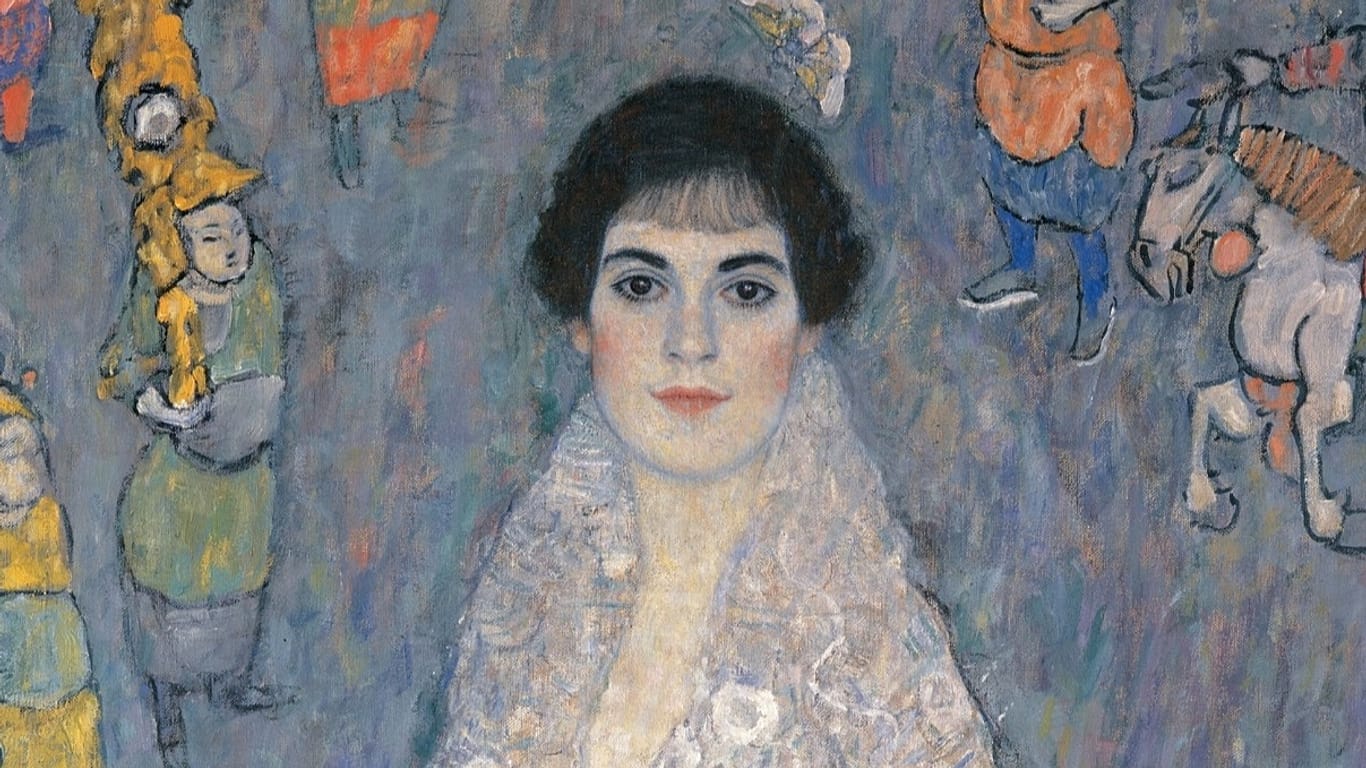
In November 2025, Sotheby’s sold the most expensive modern artwork ever at auction—for $236.4 million. The painting is not only a Viennese Secession-Art Nouveau masterpiece that prompted collectors to bid generously, but it also has a fascinating history behind it—what it stood for and how it was part of a campaign to control cultural meaning.

When modernist style was labeled degenerate art

Gustav Klimt’s painting of 20-year-old Elisabeth Lederer, daughter of Vienna’s Jewish cultural elite and patron, was completed in 1916, just two years before the death of the artist. After the 1938 annexation of Austria, it was seized by the Nazis. Remarkably, it escaped destruction, and then found its way back to the family, and entered Leonard Lauder’s collection in the 1980s. What makes the story fascinating is that Elisabeth herself, then in her forties, was saved from prosecution because of the portrait. Klimt had become an internationally acclaimed artist by that time, Elisabeth’s arrest would have brought attention to Nazi persecutions. According to contemporary accounts, Elisabeth even claimed that Klimt, who was not Jewish, was her father.

The Nazi regime of the Third Reich systematically confiscated art that did not conform to its ideology. Styles deemed “un-German”, including modernism, such as expressed in the Art Nouveau movement (or Jugendstil, as it was known in Germany), were frequently targeted. They were denounced as “degenerate art” because of their modernist style and cosmopolitan nuance—blending influences from Asia and other parts of the globe—and moreover, because of the artists’ tie with wealthy Jewish patrons.

Portrait of Elisabeth Lederer by Gustav Klimt

Portrait of Elisabeth Lederer by Gustav Klimt. (wikimedia.org)

Art Nouveau emerged as a revolt against historicism

Art Nouveau (roughly 1890–1910) is commonly described as a form of decorative modernism, notable for its long, sinuous lines, organic motifs, and Japonisme and other Asian influences. This is demonstrated in the portrait of Elisabeth, where a Japanese-inspired patterning decorates the background. Art Nouveau, often associated with Brussels, emerged as a revolt against the historicism of 19th century art.

With a craft‑centered ethos that sought to unify fine and applied arts, Art Nouveau—influenced by the earlier Arts and Crafts movement in Britain—regarded factory production as producing low-quality goods that degraded both objects and workers. Art Nouveau’s emphasis on artisanal skill was a response to industrial modernity. While the movement did not reject technology, it objected to the lack of artistry in mass production and sought to elevate decorative handwork and craft as a means of social and aesthetic reform.

Art Nouveau was a movement with a social and political agenda

Art Nouveau was avant-garde, the style of the new generation and emergent bourgeoisie eager to distinguish themselves from the old nobility and conservative society. While largely an urban and often elitist movement, it sought to improve everyday life—promoting well-being, a renewed connection to nature, and greater beauty and functionality in the domestic environment—not just for the wealthy but also the working class.

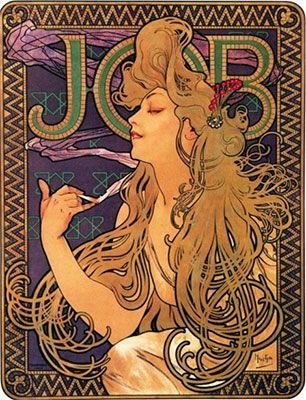
Interestingly, Art Nouveau developed its distinct regional traits across Europe. For example, dominant colors signal local identity: Vienna used black and white; Brussels identified with orange and green; Spain favored bright, saturated colors; and Italy chose soft pastels and earthy tones. In some regions, the style carried a political statement, such as in Finland, Art Nouveau motifs became associated with cultural and political emancipation from Russia. In the Czech lands and Poland, folk motifs and historic references with modern forms were blended to assert national culture under imperial rule. Similarly, in Catalonia, Art Nouveau was an expression of the people’s struggle for independence.

A somewhat scandalized advertisement for the Job cigarette company circa 1896 by Czech painter and graphic artist Alphonse Mucha who became the defining figure of Art Nouveau

A somewhat scandalized advertisement for the Job cigarette company (1896) by Czech painter and graphic artist Alphonse Mucha who became the defining figure of Art Nouveau. (theartstory.org)

Thus, Art Nouveau functioned as a coherent movement with a social and political agenda: achieving societal progress and sovereignty.

Inevitably, Art Nouveau lost its popularity after World War I following the collapse of traditional patronage and a postwar recovery that needed mass production, consumerism, and affordable design. Despite this fact, when the Nazi regime came into power decades later, it still confiscated Art Nouveau and other modernist works for their perceived internationalism, moral inferiority, and past associations with Jewish patrons.

Art Deco became a symbol of multiculturalism, cosmopolitan and urban lifestyle

As the Art Nouveau movement waned in the 1910s, what would become Art Deco in the 1920s began to emerge. This new art movement, closely associated with Paris, echoed the shift in design philosophy that was in line with the postwar years of rebuilding. With its simple design for easy production and reproducibility, it reflected the rapid industrialization and vast technological advancements taking place. Its clean lines, bold colors, and streamlined geometric forms symbolized modernity, progress, structure, and order, but its decorative richness separated it from modernism. Patterns of zigzags, square spirals, and aerodynamic curves reflected international grandeur and glamour. Art Deco too drew inspiration from various cultures, including Africa, Asia, and the Americas, as well as from different historical periods—symbolizing postwar multiculturalism, and an urban, cosmopolitan lifestyle.

Côte d’Azur Pullman Express poster circa 1929 was designed by French artist Fix‑Masseau who worked in the Art Deco idiom that dominated railway and travel posters of the late 1920s and 1930s

The Côte d’Azur Pullman Express poster (1929) was designed by French artist Fix‑Masseau who worked in the Art Deco idiom that dominated railway and travel posters of the late 1920s and 1930s. (peoplesgdarchive.org)

While Art Nouveau was reformist and artisanal oriented, Art Deco had revolutionized design for a modern machine‑age society.

Art Deco, like Art Nouveau, was elitist at its height

Art Deco shaped the designs of public goods, such as transportation and social housing, but like Art Nouveau, it remained elitist at its height. With its consumerist ethos, the style represented the interests of the urban middle class with spending power. In this way, Art Deco functioned as an innovative and progressive force in the development of modern industrial capitalism, where mass products with short lifespan were created to stimulate demand.

Post–World War I witnessed the rise of a consumer-oriented middle class which benefited from interwar economic expansion, gradually replacing the dominance of the old aristocratic and bourgeois elites. At the same time, the middle class distinguished itself from working‑class and socialist aesthetics, defining its identity through upwardly mobile urbanity, a lifestyle of consumerism and modernity, and the professional status of white‑collar employment. Among this emerging class was the emancipated “New Woman” of the Weimar era which ended in 1933.

Art Deco inspired designs were used to signify progress

The Nazi campaign sought to systematically control cultural meaning. From 1933 onward, all art was regulated by the Reich Ministry of Popular Enlightenment and Propaganda. Any work not aligned to Nazi ideology of Aryan purity and nationalism was targeted. Both Art Nouveau and Art Deco, with their hybrid concepts and modernist styles, were condemned as corrupt by a regime that upheld the supposed superiority of Greek and Roman classical art.

Poster created by commercial illustrator and poster artist Ludwig Hohlwein for Deutsche Lufthansa in 1936 promoting the Berlin Summer Olympics and reflecting nationalistic pride

Poster created by commercial illustrator and poster artist Ludwig Hohlwein for Deutsche Lufthansa in 1936, promoting the Berlin Summer Olympics and reflecting nationalistic pride. (pinterest.com)

Nevertheless, when the regime could benefit from a style, it adapted it for political purposes. This is the case with Art Deco, the prevailing design trend during Nazis’ rise to power. In posters and other propaganda media, the regime used Art Deco-inspired elements—streamlined geometry and bold palette—to signify progress, structure, order, discipline, and heroism, in order to persuade and mobilize the population, especially the youth.

The regime mastered the art of controlling cultural meaning

The Nazi regime implemented selective suppression in its cultural policies. Rather than fully banning everything that conflicted with its ideology, the regime instead systematically censored, repressed, or reshaped representations. For example, in the case of the gender ideology that the “New Woman” symbolized, the regime restricted or banned publications that promoted it. Lesbian periodicals such as Die Freundin and Frauenliebe/Garçonne were banned, while liberal magazines such as Die Dame and Berliner Illustrirte Zeitung were adapted or coopted to align with Nazi objectives. At the same time, the regime consistently propagated an alternative imagery of womanhood that emphasized motherhood and patriotism, which would eventually dismantle the “New Woman”.

Cover of the German fashion and lifestyle magazine Die Dame, depicting the style of the New Woman, published in March 1929

Cover of the German fashion and lifestyle magazine Die Dame, depicting the style of the New Woman, published in March 1929. (wikimedia.org)

Thus, the story behind Gustav Klimt’s painting of Elisabeth Lederer demonstrates how art—just as other media in its various forms—can be used as a tool to control society, uphold ideology, and legitimize power, whether completely suppressed by being banned, or coopted, adapted, and reshaped to serve those in power. Art Nouveau was one of the modernist art forms frequently targeted for banning, while elements of Art Deco were often adapted and reshaped to conform to the Nazi regime’s cultural and political rhetoric. This illustrates one of the many ways in which a regime could master the art of controlling cultural meaning: art, far beyond aesthetics, becomes a political instrument.

-Some Thoughts from the Cappuccino Girl- (2025)

#history #art #fascism #Germany #WorldWar1

You might be interested to read: The Salute of Tyranny From Global Power to Existential Anxieties: How Colonialism and Migration Shape the UK

Top image: Euronews.com
Sources
Greenhalgh, Paul (2000) ‘Art Nouveau: Politics and Style.’ History Today Vol. 50 Issue 4 April. https://www.historytoday.com/archive/art-nouveau-politics-and-style [22 November 2025].
Horth, Elisabeth (2009) The Social Agenda of Art Nouveau. Collectors Weekly. https://www.collectorsweekly.com/articles/guest-column-the-social-agenda-of-art-nouveau [22 November 2025].
Mallya, Sanjana (n.d.) Art Deco and Its Global Influences. Rethinking the Future. https://www.re-thinkingthefuture.com/architectural-community/a11195-art-deco-and-its-global-influences [22 November 2025].
Middlemiss, Matteo (2018) Why Was Art Nouveau the Art Revolt People Were looking for? The Flame Tree Blog. https://blog.flametreepublishing.com/art-of-fine-gifts/why-was-art-nouveau-the-art-revolt-people-were-looking-for [21 November 2025].
Myrvang, Christine (2015) Art Deco: The Era That Lingers in Spirit. BI Norwegian Business School. https://www.bi.no/en/research/business-review/articles/2015/09/art-deco-the-era-that-lingers-in-spirit-/ [22 November 2025].
Pound, Cath (2018) What Art Nouveau Can Teach Us about National Identity. BBC. https://www.bbc.com/culture/article/20180525-what-art-nouveau-can-teach-us-about-national-identity [22 November 2025].
Smith, Elizabeth Anne (2025) Beauty in the Face of Horror: Fashion, Femininity, and Identity During the Holocaust. Thesis. Washington State University. Online PDF document [29 November 2025].
Wikipedia (2025) Berliner Illustrirte Zeitung. https://en.wikipedia.org/wiki/Berliner_Illustrirte_Zeitung [29 November 2025].
Wikipedia (2024) Die Freundin. https://en.wikipedia.org/wiki/Die_Freundin [29 November 2025].
 
Read more...

from Rede Integrada

Archlinux + IceWM: Revivendo PCs antigos.

Montando um ambiente de trabalho básico e funcional para computadores antigos.

por SilCarlos

Obsolescência programada

Com o avanço rápido da tecnologia, é comum que computadores fiquem desatualizados em termos de desempenho e capacidade, na contemporaneidade, fabricantes incentivam os consumidores a substituírem seus produtos antigos por modelos mais recentes, impulsionando o consumo e as vendas. Essa prática é geralmente chamada de “obsolescência programada ou Planejada”,

Essa pratica é amplamente utilizada em diversos setores da indústria, como: eletrônicos, eletrodomésticos, automóveis e até mesmo roupas desde a década de 1930. O argumento em defesa dessa pratica é de que isso impulsiona a inovação tecnológica e o progresso econômico.

Todavia, a obsolescência programada pode gerar sérios riscos ao meio ambiente, pois, uma vez que os produtos têm uma vida útil limitada e precisam ser substituídos com mais frequência, aumenta a demanda por matérias-primas e junto a isso, a degradação ambiental.

Os computadores antigos, também conhecidos como obsoletos ou legados, não fogem a esta regra. Muitas vezes, os fabricantes lançam atualizações de software (sistemas operacionais) ou hardware (RAM, CPU, GPU, etc.) que tornam os computadores mais antigos lentos ou incompatíveis, forçando os consumidores (vulgar: usuários) a atualizarem para os modelos mais recentes.

Por exemplo:

Em laptops, as baterias têm uma vida útil limitada e, após um determinado número de ciclos de recarga, começam a perder capacidade.

Outro exemplo:

Os componentes soldados (SMDs) em placas mães, ou integrados (sockets, slots, etc.), dificultam a substituição ou reparo, forçando a compra de novas placas.

A boa notícia e que existe um movimento nos Estados Unidos, na Europa e também no Brasil, chamado: “Direito de Reparo”, cujo objetivo é garantir que os consumidores tenham o direito de reparar seus próprios produtos eletrônicos (ou eletrodomésticos), além do acesso as peças de reposição, dos manuais de reparo e das informações técnicas necessárias.

Montando o ambiente de trabalho

Aderindo ao movimento “Direito de Reparo” vamos (você leitor e eu) construir um ambiente de trabalho básico, mas funcional com aquele computador obsoleto que ainda está funcionando.

Requisitos necessários:

  • Computador: Desktop ou Laptop
  • Memória (RAM): 2GB ou 4GB.
  • Armazenamento (HD): 80GB, 120GB ou 320GB, etc.
  • Processador AMD ou Intel (CPU): Athlon 64, Athlon 64 X2, Athlon II X2, Athlon II X3, Athlon II X4, Athlon X2, Athlon X4, Phenom II X2, Phenom II X3, Phenom II X4 e Sempron X2. intel Celeron, intel Pentium Dual Core.
  • Sistema operacional: Archlinux

Não irei abordar a instalação do Archlinux minimal neste artigo, então, deixarei um link para você acompanhar.

Como instalar Archlinux (Minimal) + IceWm:

https://youtu.be/V22Mg6vYgH0

Sobre o Archlinux

O Arch Linux surgiu em 2002, idealizado pelo programador canadense Judd Vinet, que buscava criar uma distribuição leve e minimalista, onde o usuário tivesse controle total sobre o sistema. Diferente de outras distribuições que ofereciam ambientes prontos, o Arch nasceu com a filosofia KISS (Keep It Simple, Stupid), defendendo a simplicidade e a transparência em cada componente.

Desde o início, o Arch adotou o modelo de atualização contínua, conhecido como rolling release, que garante que o sistema esteja sempre atualizado sem a necessidade de instalar novas versões completas. Essa característica atraiu usuários avançados e entusiastas que desejavam estar na vanguarda do software livre.

Outro marco importante foi a criação do Pacman, o gerenciador de pacotes oficial, que simplificou a instalação e manutenção de softwares. Com o tempo, a comunidade cresceu e desenvolveu o AUR (Arch User Repository), um dos maiores repositórios mantidos por usuários, permitindo acesso a milhares de pacotes extras.

O Arch Linux consolidou-se como uma distribuição voltada para quem gosta de aprender e personalizar, tornando-se uma base para projetos derivados, como o Manjaro, que busca oferecer uma experiência mais amigável. Hoje, é reconhecido não apenas pela sua leveza e flexibilidade, mas também pela sua documentação exemplar, o Arch Wiki, considerada uma das melhores fontes de conhecimento sobre Linux.

Sobre o Gerenciador de Janelas IceWM

É um gerenciador de janelas leve e altamente configurável para sistemas GNU/Linux e BSD. Foi projetado para ser rápido, estável e consumir poucos recursos dos sistemas computacionais, tornando-se adequado para o uso em computadores mais antigos.

Desenvolvido por Marko Macek em 1997, foi lançado como uma alternativa ao gerenciador de janelas Window Maker, mas oferecendo recursos semelhantes. Desde então, tem sido desenvolvido e aprimorado por uma comunidade ativa de desenvolvedores, chegando a sua versão 3.0 em outubro de 2022.

Características:

  • Simplicidade: barra de tarefas e um menu.
  • Configurável: temas, atalhos de teclado, estilos das janelas, ícones, cores e muito mais.
  • Baixo consumo de recursos: pouca memória (RAM) e processamento (CPU).
  • Múltiplas áreas de trabalho: navegação entre várias áreas de trabalho (workspaces).
  • Extensibilidade: suporte a extensões e applets.
  • Compatibilidade com o padrão freedesktop.org: ícones do desktop, menus de contexto e notificações do sistema.
  • Suporte a janelas em estilo fluxbox.

IceWM no Archlinux

IceWM é um gerenciador de janelas e não um ambiente de desktop, deste modo, precisaremos instalar pacotes que possibilitem usá-lo como tal.

Para o nosso Ambiente de trabalho, precisaremos:

  1. Gerenciador de Janelas: IceWM
  2. Servidor de Exibição: Xorg
  3. Servidor multimídia: Pulseaudio
  4. Gerenciador de Arquivos: PCManFM
  5. Gerenciador de Redes: Network-Manager
  6. Gerenciador de Pacotes: Octopi
  7. Gerenciador de Tarefas: Lxtask
  8. Gerenciador de Downloads: Uget
  9. Sistema de Impressão: Cups
  10. Daemon de notificação: Mate-Notification-Daemon

Preparando o Ambiente de Trabalho

Apos instalação do Archlinux Minimal e logado, siga:

A) Primeiro: atualizar a lista de pacotes:

sudo pacman -Syu

D) Segundo: instalar os pacotes básicos e necessários para o ambiente de trabalho:

sudo pacman -S icewm arandr nano lxappearance lxtask xscreensaver pulseaudio pavucontrol xorg xorg-xinit mate-notification-daemon xcompmgr scrot pcmanfm uget sakura volumeicon lightdm lightdm-gtk-greeter

E) Terceiro: Após a instalação dos pacotes, inicie o serviço lightdm:

sudo systemctl enable lightdm.service

F) Quarto: inclua a sessão do icewm no arquivo xinitrc

sudo nano ~/.xinitrc

adicione:

exec icewm-session

salve com ctrl + O e saia com ctrl + X

ATENÇÃO!!

Depois de Reiniciar o sistema e na tela de login do LightDM, escolha: icewm-session no menu superior. Isto garantirá que os scripts do startup e do xinitrc funcionem corretamente.

Configurando IceWM no Archlinux

IceWM é um gerenciador de janelas personalizável e suas configurações originais são baseados em texto, por este motivo, será necessário utilizar um editor de textos para configurá-lo.

Eis, os aquivos de configurações:

  • Preferences: arquivo de configuração principal.
  • Menu: controla o conteúdo do menu.
  • Keys: Permite criar atalhos de teclado.
  • Toolbar: ícones na barra de tarefas.
  • Winoptions: aplicações individuais
  • Theme: Temas
  • Startup: aplicações na inicialização.

Nesta etapa, utilizaremos o editor “nano” para as tarefas.

Para alterar a configuração padrão do IceWM, primeiro, copiaremos os arquivos de configuração do /usr/share/icewm para o diretório ~/.config do nosso usuário.

cp -r /usr/share/icewm/ /home/carlos/.config/

Feito isto, poderemos prosseguir.

Preferences

sudo nano ~/.config/icewm/preferences

O arquivo preferences contem toda a configuração padrão do IceWM. Aqui pode-se mudar o formato ou cores das janelas, do painel, do menu, etc.

As mudanças que faremos neste arquivo, serão:

**Alt+Tab window switching**
QuickSwitch=1 
 
**Reload menu files automatically**
AutoReloadMenus=1 

**Show mailbox status on task bar**
TaskBarShowMailboxStatus=0 

**Show CPU status on task bar**
TaskBarShowCPUStatus=0

**Show RAM usage in CPU status tool tip**
CPUStatusShowRamUsage=0

**Show memory usage status on task bar (Linux only)**
TaskBarShowMEMStatus=0

**Show network status on task bar**
TaskBarShowNetStatus=0

**Allow to switch a window to fullscreen**
AllowFullscreen=1

**Command to shutdown the system**
 ShutdownCommand="test -e /run/systemd/system && systemctl poweroff || sudo -n /sbin/poweroff"

**Command to reboot the system**
 RebootCommand="test -e /run/systemd/system && systemctl reboot || sudo -n /sbin/reboot"

**Command to send the system to standby mode**
 SuspendCommand="test -e /run/systemd/system && systemctl suspend || sudon -n /usr/sbin/pm-suspend"

KeyWinClose="Alt+F4"
KeyWinRestore="Alt+F5"
KeyWinMinimize="Alt+F9"
KeyWinMaximize="Alt+F10"
KeyWinFullscreen="Alt+F11"

**WorkspacesNames**
WorkspacesNames="1", "2"  

Menu

sudo nano ~/.config/icewm/menu

O menu é gerado automaticamente. Os programas são adicionados ao menu depois de instalados no sistema operacional Archlinux.

Keys

sudo nano ~/.config/icewm/keys

IceWM permite lançar programas através de combinações de teclas. A sintax deste arquivo é mais ou menos assim:

“keys” “teclas” “programa”

Por exemplo:

keys "Print"      Scrot (captura imagens do ambiente)
keys "Alt+Ctrl+t" sakura (abre o terminal sakura)
keys "Ctrl+g"     gmrun (abre o lançador de aplicativos)
 
e assim por diante.

Toolbar

sudo nano ~/.config/icewm/toolbar

O arquivo de configuração toolbar é usado para adicionar programas ao painel do IceWM. A syntax deste arquivo funciona da seguinte maneira:

“prog” “Titulo” “nome do Ícone” “programa”

Por exemplo:

prog "Palemoon" palemoom palemoon 
prog "Claws-Mail" claws-mail claws-mail
prog "Pragha" pragha pragha
prog "Telegram-desktop" telegram-desktop telegram-desktop
prog "PCManFM" pcmanfm pcmanfm

e assim por diante. 

Theme

O arquivo theme contem a lista de todos os temas pré-instalados. O tema que estiver sem o comentário (#) é o que estará sendo utilizado no momento.

Poderemos baixar temas personalizados para o nosso ambiente através do endereço:

Box-Look http://www.box-look.org/

Apos baixar o tema, descompacte-o e mova para o diretório Theme.

/home/carlos/.config/icewm/themes

Dica:

Temas que gosto e recomendo: Nitrogen, BSD-CrossOver, Ubuntu20.04-Medium e iceux_pro.

Startup

sudo nano ~/.config/icewm/startup

O script de inicialização não é fornecido pelo pacote IceWM, então, precisaremos criá-lo.

No arquivo startup adicionaremos comandos para programas que iniciam junto a sessão IceWM, mas antes, precisamos torná-lo executável.

Criaremos um pequeno script utilizando o editor nano:

#!/bin/bash


volumeicon &

nm-tray &

mate-notification-daemon &

xscreensaver --no-splash &

xcompmgr &

nitrogen --restore &

xrandr -s 1360x768 &

Salve as mudanças no arquivo com Ctrl + O e saia com Ctrl + X.

Em seguida precisamos alterar as permissões para que tudo seja executado corretamente. Com o terminal ainda aberto siga até o diretório onde se encontra o arquivo startup:

cd /home/carlos/.config/icewm

Use o comando chmod para alterar as permissões do arquivo:

chmod +x startup

Programas essenciais

São programas que desempenham funções básicas e necessárias para a maioria dos usuários em um ambiente computacional. Por exemplo: navegador web, reprodutor de mídia, cliente de e-mail, suíte de escritório, etc.

Instalando o AUR

O AUR (Arch User Repository) é um repositório comunitário do Arch Linux, mantido pelos próprios usuários, que contém descrições de pacotes (PKGBUILDs) para compilar e instalar softwares que não estão nos repositórios oficiais

primeiro

sudo pacman -S base-devel git go

Segundo

Escolha um AUR helper. Um helper facilita instalar pacotes do AUR. Os mais usados são:

  • yay (popular e simples)
  • paru (similar ao yay, mas com mais recursos)

Terceiro

git clone https://aur.archlinux.org/yay.git

Quarto

cd yay

Quinto

makepkg -si

Agora você pode instalar pacotes do AUR como se fosse o pacman.

Gereciador de Pacotes gráfico: Octopi

o Octopi é uma ferramenta gráfica que torna o gerenciamento de pacotes no Arch Linux mais acessível e visual, sem substituir o poder do pacman no terminal.

Disponível no repositório AUR

yay -S octopi

Wallpaper com Nitrogen

Nitrogen é bem leve e combina perfeitamente com o IceWM. Ele não só aplica o wallpaper, como também guarda suas preferências para restaurar automaticamente na próxima sessão.

Disponível no repositório AUR

yay -S nitrogen

Navegador: Pale Moon

Palemoon é leve e funciona sem muitos problemas em computadores com apenas 2GB de memória. Este navegador encontra-se no repositório AUR do archlinux.

Disponível no repositório AUR

yay -S palemoon-bin

Cliente de E-mail: Claws-mail

Claws-Mail é um cliente de e-mail e leitor de notícias leve, rápido, fácil configuração e interface intuitiva.

Disponível nos repositorios oficiais

sudo pacman -S claws-mail

Suíte de Escritório: WPS-Office

WPS-Office é suíte de escritório poderosa, possuindo um editor de textos, editor de planilhas, editor de apresentação.

O WPS Office costuma ser considerado mais leve que o LibreOffice porque tem um design mais enxuto, usa menos memória RAM e é otimizado para abrir rápido, enquanto o LibreOffice privilegia compatibilidade e recursos avançados, o que o torna mais pesado.

Disponível no repositorio AUR

yay -S wps-office

Reprodutor de Mídia: VLC

VLC é reprodutor multimídia simples, rápido e poderoso. Reproduz SÓ TUDO! DVD, CD de áudio, VCD e vários protocolos de transmissão de rede.

Disponível nos repositórios oficiais

sudo pacman -S vlc

Reprodutor de Músicas: Pragha

Pragha é um reprodutor de músicas muito leve, simples, rápido e cheio de recursos, como:

  • Suporte a letras de músicas
  • Pesquise, filtre e enfileire músicas na lista de reprodução atual
  • Reproduz arquivos mp3, m4a, ogg, flac, asf, wma e ape.
  • Toca CDs de áudio e identifica como CDDB.
  • Notificações nativas da área de trabalho com libnotify.

Disponível nos repositórios oficiais

sudo pacman -S pragha

Gerenciador de Downloads: Uget

uGet é um gerenciador de download leve, poderoso e cheio de recursos, como: monitoramento da área de transferência, integração com navegador web (Firefox, Chromium, SeaMonkey, etc.) e suporte a múltiplos protocolos de download.

Disponível nos repositórios oficiais

sudo pacman -S uget

Visualizador de PDF: QPdfView

QPdfView é um visualizador de arquivos PDF semelhante a muitos aplicativos PDF comuns. Possui dois dois modos: MultiPage, percorre todas as páginas do documento, com intervalos. SinglePage, mostra uma página de cada vez.

Disponível nos repositórios oficiais

sudo pacman -S qpdfview

Cliente de Mensagens: Telegram

Telegram-desktop é um aplicativo de mensagens na forma de software livre (cliente) disponível para desktops/laptops e aparelhos moveis: Smartphone e Tablet.

Disponível nos repositórios oficiais

sudo pacman -S telegram-desktop

Jogos de Videogames

RetroArch

É um frontend (interface principal) para emuladores, motores de jogos e reprodutores de mídia. Ele permite rodar jogos clássicos de diversas plataformas em computadores, celulares e consoles modernos, oferecendo uma interface unificada e recursos avançados.

Retroarch pode emular:

  • MAME
  • Final Burn Neo (FBneo)
  • NeoGeo
  • Super Nintendo (SNES)
  • Nintendo (NES)
  • Megadrive (Genesis)
  • Master system
  • PlayStation
  • PlayStaton 2
  • GameCube
  • Dreamcast
  • PlayStation Portable (PSP)
  • Gameboy Advance
  • Nintendo 64 e mutos outros.

Disponível nos repositórios oficiais

sudo pacman -S retroarch

Referências

O que é obsolescência programada? Veja exemplos.

https://exame.com/esg/obsolescencia-programada-o-que-e-e-quais-os-seus-impactos/

Archlinux

https://archlinux.org/


Licença de Cultura livre
Licença Creative Commons
Esta obra está sob a Licença Creative Commons Atribuição 4.0 Internacional
 
Leia mais...

from Liza Hadiz

So You Want to See the President!, that's the title of the four-panel suite of paintings that, for decades, hung in the White House. Painted in 1943 by celebrated American artist Norman Rockwell, the suite portrays the waiting area outside the Oval Office, where citizens from various professions and officials gathered in hopes to meet the President. The paintings captured the democratic spirit of the era. At the height of World War II, it reflected a unifying vision of American society.

Amid the anxieties of wartime and economic uncertainty, Rockwell crafted images that evoked the nostalgia of the American Golden Age, depicting the comforts of family life and a secure home. Mainstream media often promoted this image of prosperity—which Rockwell was able to translate so well onto his canvas—to soften the realities of economic hardship and racial tension. Conservative outlets like The Saturday Evening Post used the psychology of nostalgia to soothe public unease rooted in economic vulnerability and to foster a sense of cohesion amid a racialized society. Norman Rockwell would later become a cultural icon, best known for his illustrations in The Saturday Evening Post, from the interwar years to the early decades of the Cold War.

The post-First World War period was marked by economic expansion and rapid growth, followed by a flourishing cultural environment and shifting social norms, epitomized by the emergence of the flapper counterculture. It was also a time of political progress as women finally secured the right to vote. Yet the Roaring Twenties was also a decade of economic disparity—low wages for the urban working class and persistent hardship for rural Americans—leaving many vulnerable. Not surprisingly, it was a period of continued racial tensions, marked by the resurgence of the Ku Klux Klan and the passage of the restrictive Immigration Act of 1924.

Interestingly, Rockwell’s celebrated depictions of the idealized male breadwinner nuclear family—spanning over four decades—continue to resonate with segments of the American public today.

Nevertheless, under the strict editorial direction of The Saturday Evening Post, Rockwell’s images not only masked the social tensions but also obscured the shifting norms reshaping American society. Readers were deflected from reality by scenes that told the story of a stable and harmonious American society centered on the “typical” male breadwinner and female homemaker nuclear family. Absent in these images were the independent flappers and hardly visible were the working-class, particularly women, both white and of color.

Twenty-five years later, the welfare policies and economic boom of post-World War II made the idealized male breadwinner family attainable, although very briefly, for middle-class and upper-class households. Yet this image of mainly white, suburban families, continued to be perpetuated by mainstream media for decades. It was an image that also aligned with the US government’s Cold War narrative, which promoted the nuclear family as a symbol of capitalist superiority in contrast to the collectivist ideals of communism.

Following the civil rights movement that shifted perceptions about society, new laws and policies were enacted to reduce racial and gender inequality. These reforms transformed social norms and values around family and sexuality, and shaped institutions. However, not all segments of society embraced these changes. Rockwell himself grew weary of the editorial constraints imposed by The Saturday Evening Post and, in 1963, left to work for Look magazine. There, he crafted some of his most controversial works that confronted the inequalities and tensions shaping America.

Like feminism, the far-right views women’s role in care work as undervalued by society; however, far-right supporters generally attribute this to the cultural hegemony of neoliberalism and liberal feminism.

Interestingly, Rockwell’s celebrated depictions of the idealized male breadwinner nuclear family—spanning over four decades—continue to resonate with segments of the American public today. On various digital platforms, some women from diverse ethnic backgrounds who support far-right ideologies have expressed dissatisfaction with contemporary society, describing a sense of peace and empowerment upon embracing traditional gender roles. This discontent often cites feminism for promoting a perception that privileges professional women over traditional homemakers—diminishing the cultural value of housewives and of men as primary providers and protectors.

Like feminism, the far-right views women’s role in care work as undervalued by society; however, far-right supporters generally attribute this to the cultural hegemony of neoliberalism and liberal feminism. This hegemony, in their view, has stigmatized traditional values and gender roles, where masculinity is more often loathed than encouraged and men are no longer seen as women’s protector, both in the social and economic sense. Such cultural dominance, they argue, are among the factors contributing to the decline of what they consider “true American values.”

Furthermore, the hegemony that promotes multiculturalism and diversity is perceived by far-right supporters as contributing to unresolved societal issues, such as job insecurity, limited access to public goods, and increase in crime rates, including violence against women. The increase in immigration is often cited as a cause of these problems even when such claims are not reflected in data and statistics.

The far-right movement, therefore, seeks to restore traditional “native” values as a way of deconstructing what they perceive as a broken society. However, the dissatisfaction is often attributed to shifting cultural norms, while in fact, it stems from systemic issues. The lack of accessible and trustworthy childcare, the absence of family-friendly labor policies, and the persistence of traditional gender roles that impose a double burden on women all contribute to the difficulties faced by many—particularly mothers.

Scholars interpret this as a backlash against the failure of neoliberal governance to deliver broad-based economic security and social cohesion.

Moreover, the movement asserts that saving America from perceived cultural decadence requires strengthening a monocultural national identity and reasserting national control over the economy, as economic sovereignty is framed as a moral imperative to restore traditional family values and cultural order. This vision reflects its supporters’ economic anxieties and fears of cultural displacement. Scholars interpret this as a backlash against the failure of neoliberal governance to deliver broad-based economic security and social cohesion.

Scholars have observed that neoliberal policies in the United States have deepened inequality: wages have stagnated for much of the working class, labor protections and social safety nets have eroded, and corporate profits have soared—concentrating wealth at the top. Privatization and deregulation have rendered public goods such as higher education, healthcare, and housing increasingly unaffordable. Critics of neoliberalism argue that policies prioritizing market efficiency over social equity have fueled job insecurity, housing shortages, rising rents, and racialized vulnerability. These systemic failures have contributed to cultural fragmentation, institutional distrust, and adverse political polarization.

So You Want to See the President!—which was commissioned in 1943 by Stephen T. Early, Roosevelt’s press secretary—depicted various groups in American society, conveying a unifying vision of democracy. Yet it reflects a white, middle-class lens on civic participation, mirroring the exclusionary politics and cultural norms of its time, in which structural diversity and inequality were obscured. The suite was removed from the White House in 2022 following a family ownership dispute and is scheduled for auction. While the paintings hold significant historical value, the suite’s removal is timely given that the country seriously needs to bridge political polarization. To move forward, reflection is urgently needed to envision a post-neoliberal governance that centers equity, care economies, labor protections, and democratic accountability, while dismantling structures that perpetuate marginalization and safeguard concentrated wealth.

-Some Thoughts from the Cappuccino Girl- (2025)

#history #art #WorldWar1 #WorldWar2 #US #Politics #feminism

You might be interested to read: From Global Power to Existential Anxieties: How Colonialism and Migration Shape the UK

Image: Artnet News
Sources:
Ainsworth, Garrett (2024) ‘Why Neoliberalism Has Failed Us: How Republican Economic Policies Promote Inequality.’ Michigan Journal of Economics. https://sites.lsa.umich.edu/mje/2024/03/18/why-neoliberalism-has-failed-us-how-republican-economic-policies-promote-inequality/ [8 November 2025].
Bradatan, Anastasia (2023) The Overlooked Roles of Women in Far-Right Extremist Organizations and How to Prevent Their Further Radicalization. Fordham Law Voting Rights and Democracy Project. https://fordhamdemocracyproject.com/2023/04/26/the-overlooked-roles-of-women-in-far-right-extremist-organizations [19 October 2025].
Campion, Kristy and Kiriloi M. Ingram (2023) ‘Far-right “Tradwives” See Feminism as Evil.’ Their Lifestyles Push Back Against ‘the Lie of Equality.’ The Conversation. https://theconversation.com/far-right-tradwives-see-feminism-as-evil-their-lifestyles-push-back-against-the-lie-of-equality-219000 [19 October 2025].
Cohen, Alina (2025) ‘Norman Rockwell Paintings That Once Hung in the White House Bound for Auction.’ Artnet News. https://news.artnet.com/market/norman-rockwell-president-white-house-paintings-auction-2704973 [4 November 2025].
Joppke, Christian (2024) ‘Neoliberal Nationalism and Immigration Policy.’ Journal of Ethnic and Migration Studies. https://www.tandfonline.com/doi/pdf/10.1080/1369183X.2024.2315349 [8 November 2025].
Leidig, Eviane (2021) “We Are Worth Fighting for”: Women in Far-Right Extremism. International Centre for Counter-Terrorism – ICCT. https://icct.nl/publication/we-are-worth-fighting-women-far-right-extremism [19 October 2025].
Shams, Shahrzad, Deepak Bhargava, and Harry W. Hanbury (2024) ‘The Cultural Contradictions of Neoliberalism: The Longing for an Alternative Order and the Future of Multiracial Democracy in an Age of Authoritarianism.’ The Roosevelt Institute. https://rooseveltinstitute.org [8 November 2025].
Stiglitz, Joseph (2024) ‘How Neoliberalism Failed, and What a Better Society Could Look Like.’ Working Paper. Roosevelt Institute. https://rooseveltinstitute.org [8 November 2025].
Williams, Katherine (2024) Women's Engagement with the Far Right: A Quest for a More Holistic Understanding. Compass Hub. https://compass.onlinelibrary.wiley.com/doi/10.1111/rec3.12495 [19 October 2025].
Zamora, Daniel and Niklas Olsen (2019) How Decades of Neoliberalism Led to the Era of Right-Wing Populism. Jacobin.com. https://jacobin.com/2019/09/in-the-ruins-of-neoliberalism-wendy-brown [8 November 2025].
 
Read more...

from small medic mini-blog

you learn a sort of patter in paediatrics – simple to understand, non-threatening ways to explain the sometimes uncomfortable things you have to do. I came across some remarkably unfriendly things the other day.

  • is your [accompanying adult] normal? (why would you ask this.)
  • [while looking in a child's ear] we're just going to look for spiders!

????!

 
Read more...

from Liza Hadiz

Love and geopolitics often intertwine in heartbreaking and unforgettable narratives, whether legend, fiction, or real-life accounts. These stories are typically entangled in ethnic and religious conflict, ideological divide, and forbidden romance framed by identity politics—elements that render resolution unforeseeable.

Love Is Forbidden

Some true love stories are carved into time through poetry and become not only the legacy of a people but also a defining part of their history. One such story is the love affair between the late renowned Palestinian poet Mahmoud Darwish (13 March, 1941—9 August, 2008) and the Jewish-Israeli young woman he fell deeply in love with in the early 1960s. A woman whom he refers to as “Rita” in his poems—a name that echoes across two decades of his artistic career, shaped by imprisonment, political estrangement, and exile.

In his 1969 poem Rita… Love me, Darwish reflects on the impossibility of their love:

Love is forbidden… Here the police and fate are antiquated Shattered are the idols that you revealed your love

Another passage from the same poem expresses the pain of loss:

Sleep on my dream. Your taste is acrid Your eyes are lost in my silence And your body is full of summer and beautiful death. At the end of the world I embrace you When you withdraw full of the impossible.

Their forbidden love could not survive the political tension it was engulfed in, especially after “Rita”, whose real name is Tamar Ben-Ami, joined the Israeli army—a decision which ended their romance. Nevertheless, intimate love letters Darwish wrote to her in Hebrew—kept secret for decades and later revealed in the documentary, Write Down, I am an Arab (2014)—stands as a testament to how love, ruptured by political and ideological divide, is silently endured.

This silenced love is reflected in the famed 1966 poem, Rita and the Rifle, where Darwish writes:

Oh, the silence of dusk In the morning my moon migrated to a far place Towards those honey-colored eyes And the city swept away all the singers And Rita. Between Rita and my eyes— A rifle.

The death of the romance, plagued by political violence and civil surveillance, impacted Darwish’s art. The love he held for “Rita” remains alive through his poetry, echoing across generations.

Betrayal and Forgiveness

Betrayal potentially arises in a love affair entangled in geopolitics and ideology. One such case is the well-known affair between German-American philosopher Hannah Arendt (October 14, 1906–December 4, 1975) and her professor, the influential yet controversial German thinker Martin Heidegger (September 26, 1889– May 26, 1976). Arendt first met Heidegger in late 1924 as an 18-year-old student at the University of Marburg. Their encounter subsequently sparked a relationship that would last several years—kept discreet due to Heidegger’s marriage. Yet what ultimately shadowed their bond was Heidegger’s later affiliation with the Nazi party, a betrayal that would affect both their personal connection and Arendt’s ethical reflections for decades.

It was only after their love letters were discovered in the 1980s and published that the relationship between Hannah Arendt and Martin Heidegger became publicly known, igniting intense scholarly debate. The controversy centered on Heidegger’s affiliation with the Nazi Party, which he joined in 1933—just as Arendt, a Jew, was fleeing Germany following a brief detainment by the Gestapo.

In his first letter to Arendt, written in February 1925, Heidegger confesses:

“I will never be able to call you mine, but from now on you will belong in my life, and it shall grow with you.”

A year later, Arendt had broken off the relationship with Heidegger following her move to the University of Heidelberg. However, they continued to correspond into the early 1930s. In April of 1928, a letter from Arendt reflects the depth of their enduring love:

“I love you as I did on the first day—you know that, and I have always known it, even before this reunion. The path you showed me is longer and more difficult than I thought.”

In 1929, on her wedding day, Arendt writes:

“Do not forget me, and do not forget how much and how deeply I know that our love has become the blessing of my life. This knowledge cannot be shaken, not even today ...”

She closes the letter affectionately:

“I kiss your brow and your eyes, Your Hannah”

After a long silence—likely prompted by Heidegger’s Nazi affiliation—Arendt, now in her second marriage, chose to reconcile with him in 1950, not as a romantic partner, but as an intellectual peer. This decision was triggered by their first reunion in Freiburg that same year. The posthumous publication of their postwar letters later revealed the depth and complexity of this renewed connection, leading many scholars to reexamine how Heidegger’s influence and their relationship shaped Arendt’s thought, as Adrent is considered one of the most influential political theorists of the twentieth century.

In The Human Condition (1958), Arendt introduces the concept of natality—the capacity for new beginnings. For her, human freedom is rooted in the ability to initiate anew, even in the wake of betrayal and historical trauma. Natality enables reconciliation not by erasing the past, but by narrating and accepting it, and by exercising judgment toward both past and future.

While reconciliation has its limits—especially in cases of crimes where justice demands accountability—Arendt viewed both reconciliation and nonreconciliation as acts of political judgment. Both are judgments of the past and future and thought and action. These judgments, which require one to think from the standpoint of everyone else and reflect beyond ideological divisions, open the possibility for forgiveness and reconciliation. This framework may illuminate Arendt’s postwar reconciliation with Heidegger, which unfolded through a series of affectionate and intellectually vibrant correspondences between the two philosophers.

Furthermore, Arendt envisioned a shared world of plurality, where difference and equality coexist—not a nation-state founded on ethnic exclusivity. This vision was likely shaped by her lived experience: years spent in exile as a Jew, and her conflicted yet compassionate relationship with Heidegger.

Historical Trauma: Beginning Anew

Even in the face of political oppression and ideological division, love can flourish—persisting between those on opposing sides. Darwish and Tamar’s relationship demonstrates that, in such circumstances, loving “the Other” becomes a political act. His poems have become part of Palestine’s collective memory, shaping how a people remember their past and imagine their future—how they perceive and respond to historical trauma.

In Arendt’s perspective—shaped by her lived experience—historical trauma should not justify vengeance, but rather open a path toward beginning anew: to acknowledge irreversible loss and envision the future. This suggests that even in the face of devastation, forgiveness and reconciliation are key to peace-building—actions that enable coexistence grounded in plurality, dignity, and equality within and across nations. On the ground, this entails a journey of judgment that ensures the meaningful representation of survivors and marginalized groups—including women, though Arendt does not explicitly address gender—in the processes of truth-telling, testimony, inclusive dialogue, and the honoring of collective memory. Could Arendt’s vision help address today’s atrocities?

-Some Thoughts from the Cappuccino Girl- (2025)

#history #literature #ideology #politics #Palestine #Germany #WorldWar2 #films #fascism

You might be interested to read: The Salute of Tyranny

Images: Darwish via arablit.org; Arendt by Fred Stein via deutschland.de
Sources:
Berkowitz, Roger (2017) ‘1. Reconciling Oneself to the Impossibility of Reconciliation: Judgment and Worldliness in Hannah Arendt’s Politics.’ In Roger Berkowitz and I. Storey (eds.) Artifacts of Thinking: Reading Hannah Arendt's Denktagebuch. New York, USA: Fordham University Press. https://doi.org/10.1515/9780823272204-002.
McMahan, Luke (2024) ‘Rita… Love Me: A Poem by Mahmoud Darwish’, Arab America. https://www.arabamerica.com/rita-love-me-a-poem-by-mahmoud-darwish [8 August 2025].
Murray, Eóin (2008) ‘Obligations of Love, Obligations of Politics’, Poetry Ireland. https://www.poetryireland.ie/writers/articles/obligations-of-love-obligations-of-politics [10 August 2025].
Poem Hunter (2013) Rita and the Rifle—Poem by Mahmoud Darwish https://www.poemhunter.com/poem/rita-and-the-rifle/ [8 August 2025].
Popova, Maria (2016) ‘The Remarkable Love Letters of Hannah Arendt and Martin Heidegger’, The Marginalian. https://www.themarginalian.org/2016/04/25/hannah-arendt-martin-heidegger-love-letters [8 August 2025].
Puspapertiwi, Erwina Rachmi and Sari Hardiyanto (2023) ‘Kisah Mahmoud Darwish, Penyair Palestina yang Jatuh Cinta pada Perempuan Yahudi.’ Kompas.com. https://www.kompas.com/tren/read/2023/12/08/133000065/kisah-mahmoud-darwish-penyair-palestina-yang-jatuh-cinta-pada-perempuan?page=all#page2 [8 August 2025].
Wasserstein, David J. (2012) ‘Prince of Poets’, The American Scholar. https://theamericanscholar.org/prince-of-poets [10 August 2025].
 
Read more...